Why is the moon worshipped on the day of Karva Chauth in Sanatan Dharma?
Karva Chauth is one of the most widely observed fasts in Sanatan Dharma, especially among married women in North India. On this day, women observe a strict fast from sunrise until the sighting of the moon, praying for the long life, health, and prosperity of their husbands. The fast is broken only after worshipping the moon (Chandra Dev) and offering Arghya (a water offering). This central role of the moon often raises an important question: why is the moon worshipped on Karva Chauth? The answer lies deep within spiritual symbolism, Vedic philosophy, astrology, and ancient tradition.
The Moon as a Divine Entity in Sanatan Dharma
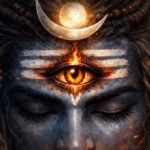
In Sanatan Dharma, the moon is not merely a celestial body; it is revered as Chandra Dev, a divine deity. The moon governs the mind (manas), emotions, fertility, nourishment, and compassion. The Vedas and Puranas describe Chandra as the giver of mental peace, emotional stability, and vitality. Since marital harmony, patience, love, and emotional balance are essential for a successful married life, worshipping the moon on Karva Chauth is considered spiritually significant.
The moon is also associated with Soma, the divine nectar of immortality. Just as Soma nourishes the gods, the moon nourishes life on Earth through its influence on nature, plants, and water cycles. Thus, offering prayers to the moon symbolizes seeking nourishment, longevity, and protection for one’s family.
Connection Between the Moon and Feminine Energy
Karva Chauth is primarily observed by women, and the moon has a profound connection with feminine energy. In Vedic thought, the moon governs the menstrual cycle, fertility, and motherhood. It represents softness, nurturing, and emotional depth—qualities traditionally associated with feminine power (Shakti).
By worshipping the moon, women align themselves with this cosmic feminine energy. The fast and subsequent moon worship are believed to strengthen inner resolve, patience, and emotional purity. This alignment is considered beneficial for marital bliss and the overall well-being of the husband and family.
Astrological Significance of the Moon on Karva Chauth
Astrologically, the moon plays a crucial role in determining mental peace and emotional stability. A weak or afflicted moon in one’s horoscope can lead to stress, misunderstandings, and emotional imbalance. Karva Chauth falls on the Krishna Paksha Chaturthi (the fourth day of the waning moon), a time when the moon’s energy is naturally subdued.
By worshipping the moon on this specific lunar day, devotees seek to strengthen lunar energy, remove negative influences, and restore balance. This is especially important for married life, which thrives on emotional understanding and harmony.
Symbolism of Waiting for the Moon
One of the most powerful aspects of Karva Chauth is the act of waiting—waiting patiently for the moon to rise before breaking the fast. This waiting is deeply symbolic. It represents devotion, self-control, faith, and sacrifice. Just as the moon appears after darkness, hope and blessings are believed to arrive after endurance and discipline.
The sight of the moon signifies completeness and fulfillment. Breaking the fast only after seeing the moon reinforces the belief that divine grace arrives at the right time, not before. It teaches patience and trust in cosmic order (Rta).
The Ritual of Offering Arghya to the Moon
Offering Arghya to the moon is a key ritual of Karva Chauth. Water mixed with milk is poured while prayers are recited. Water represents life, purity, and emotions, while milk symbolizes nourishment and maternal care. Together, they form a sacred offering expressing gratitude and devotion.
Through Arghya, devotees symbolically offer their emotions, prayers, and sacrifices to Chandra Dev, seeking blessings for longevity, protection, and peace in married life.
Mythological Beliefs Associated with Moon Worship
Several legends reinforce the importance of moon worship on Karva Chauth. One popular belief is that Chandra Dev blesses those who observe the fast with sincerity, granting happiness and stability in marriage. In many traditional stories, women who faithfully worshipped the moon were rewarded with the long life of their husbands and divine protection during times of crisis.
These stories, passed down through generations, strengthen faith and provide moral and spiritual inspiration.
The Moon as a Witness to the Vow
In Sanatan Dharma, celestial bodies are often regarded as witnesses (sakshi) to human vows. By worshipping the moon, women symbolically take Chandra Dev as a witness to their devotion and prayers. The moon, which silently observes the world from above, is believed to carry these prayers to the divine realm.
Spiritual Meaning Beyond Ritual
Beyond rituals and traditions, moon worship on Karva Chauth holds a deeper spiritual meaning. It is a reminder that relationships require discipline, emotional maturity, and sacrifice. The moon teaches balance—neither excessive brightness nor complete darkness. Similarly, a successful marriage requires balance between love and responsibility, emotion and reason.
Conclusion
The worship of the moon on Karva Chauth in Sanatan Dharma is a beautiful blend of spirituality, symbolism, astrology, and devotion. Chandra Dev represents the mind, emotions, nourishment, and longevity—elements essential for a harmonious married life. By fasting, waiting for the moon, and offering prayers, women express unwavering faith, patience, and love.
Karva Chauth is not just a ritualistic observance; it is a spiritual journey that emphasizes inner strength, emotional balance, and trust in divine timing. The moon, calm and radiant, becomes a guiding force—blessing devotion, sustaining love, and illuminating the path of marital harmony.
Reference: You may also be interested to read “Why is eating during an eclipse considered forbidden in Hindu scriptures?“