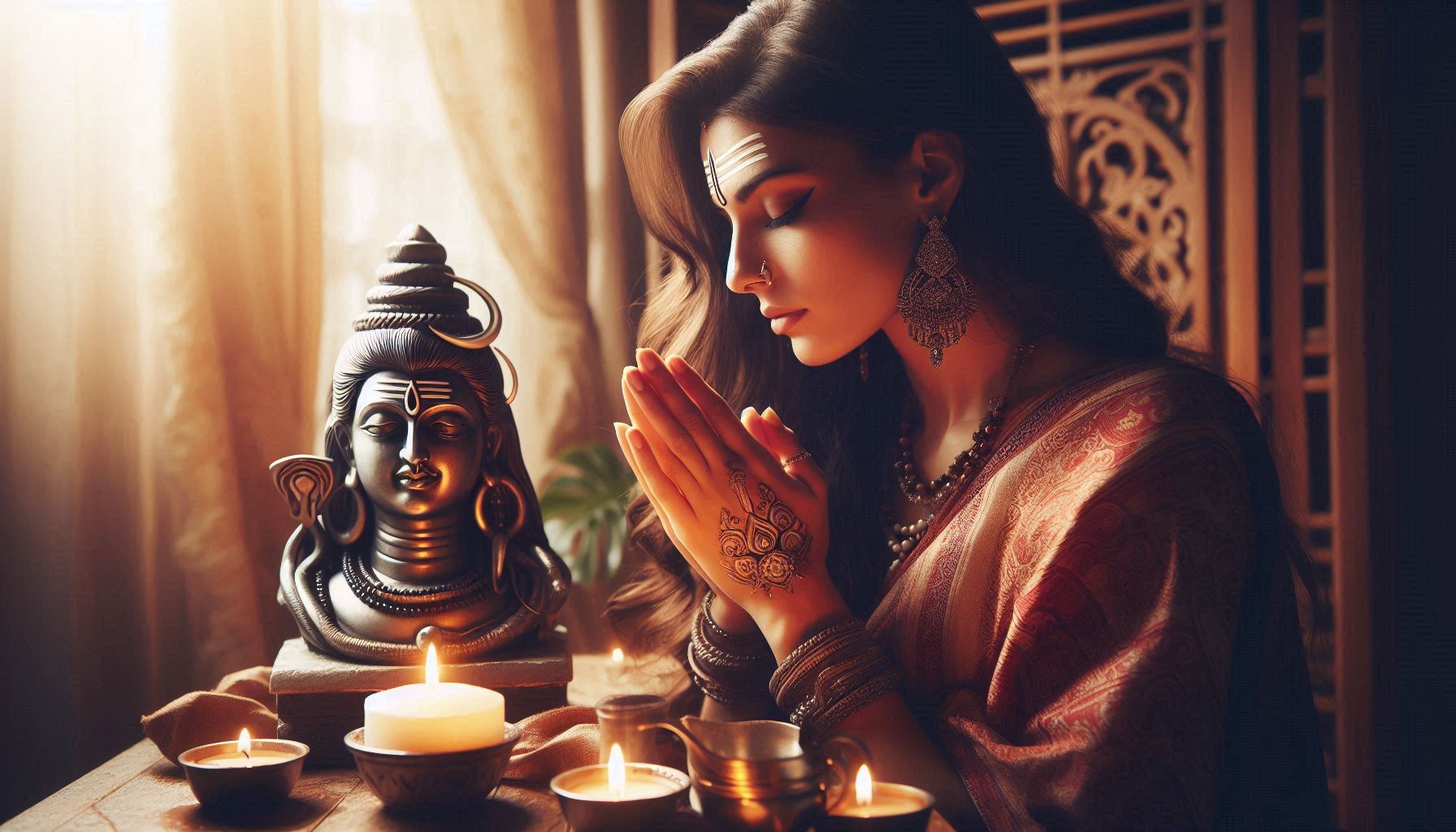
Benefits of Worshiping Hindu Gods for Spiritual Growth
In the Shrimad Bhagavad Gita, Lord Shri Krishna says, “By worshiping the Supreme through one’s own righteous actions, a human being attains perfection.” In other words, through sincere and virtuous actions, a person worships God and ultimately achieves liberation or supreme bliss.
Worship is the act of remembering one’s chosen deity with complete devotion from the depths of the heart, and of honoring that remembrance through prescribed materials and rituals performed with proper method and reverence. When a person worships with total surrender—letting go of negative qualities such as hatred, greed, ego, and resentment—the mind experiences profound peace. As a result, many physical and mental afflictions naturally begin to fade away.
Maharshi Ved Vyasa, in the Anushasana Parva of the Mahabharata, beautifully explains the importance of worshiping the Lord. He states that the person who daily worships the imperishable Supreme Being, Lord Shri Hari, with devotion—through meditation, praise, and reverential salutations—transcends all suffering. By continually glorifying that eternal, beginningless, and endless Lord, who is the ruler of all worlds and the supreme guardian of the universe, the devotee ultimately crosses beyond all sorrow and attains liberation.
A virtuous person who engages in worship should rise early in the morning during Brahma Muhurta, before sunrise. After completing daily routines and purification, one should offer prayers to the Divine. The Rig Veda also emphasizes this practice, stating that those who awaken before dawn, complete their daily duties, and worship their chosen deity are righteous and wise. Men and women who meditate on God and lovingly commune with Him are blessed with many forms of happiness.
During worship, flowers are traditionally offered to God. However, the Supreme Being is even more pleased when a person offers the “flowers” of noble qualities. The Padma Purana explains that God especially loves eight virtuous qualities, described as eight spiritual flowers. These are: nonviolence, control of the senses, compassion toward all living beings, forgiveness, maintaining purity of intention, peace, control of the mind, meditation, and truthfulness. A person who offers these eight inner flowers during worship naturally becomes deserving of divine grace.
Emotions and inner attitude play a vital role in worship. The result of worship depends entirely on the state of mind of the practitioner. If someone sits for worship but their mind remains entangled in worldly desires and cravings, how can true spiritual benefit arise? Therefore, before beginning worship, it is essential to prepare the mind—so that pure, selfless feelings can emerge and the Divine may dwell within it. God does not reside in a polluted mind filled with negative thoughts. During worship, the Lord lovingly accepts offerings presented with devotion and love, manifesting in a tangible form for the devotee.
In the Bhagavad Gita, Lord Krishna personally teaches Arjuna this profound truth when He says:
“Whoever offers Me a leaf, a flower, a fruit, or water with devotion, I accept that offering made with pure-hearted love.”
This means that when a devotee offers even the simplest item with sincere faith, devotion, and love, the Lord accepts it joyfully and personally.
To worship God ultimately means to surrender oneself completely to Him. In truth, the materials used in worship are symbolic and inspire the devotee to cultivate similar virtues in life. If one adopts the qualities represented by these offerings, spiritual upliftment becomes possible. For example, a flower spreads fragrance while remaining joyful, water symbolizes purity and calmness, sacred food represents sweetness and gratitude, unbroken rice signifies unwavering faith, and the lamp teaches the lesson of selfless service—burning itself to illuminate the path for others.
Through such understanding and heartfelt devotion, worship transforms from a ritual into a way of life, leading the devotee toward inner peace, spiritual growth, and ultimate liberation.