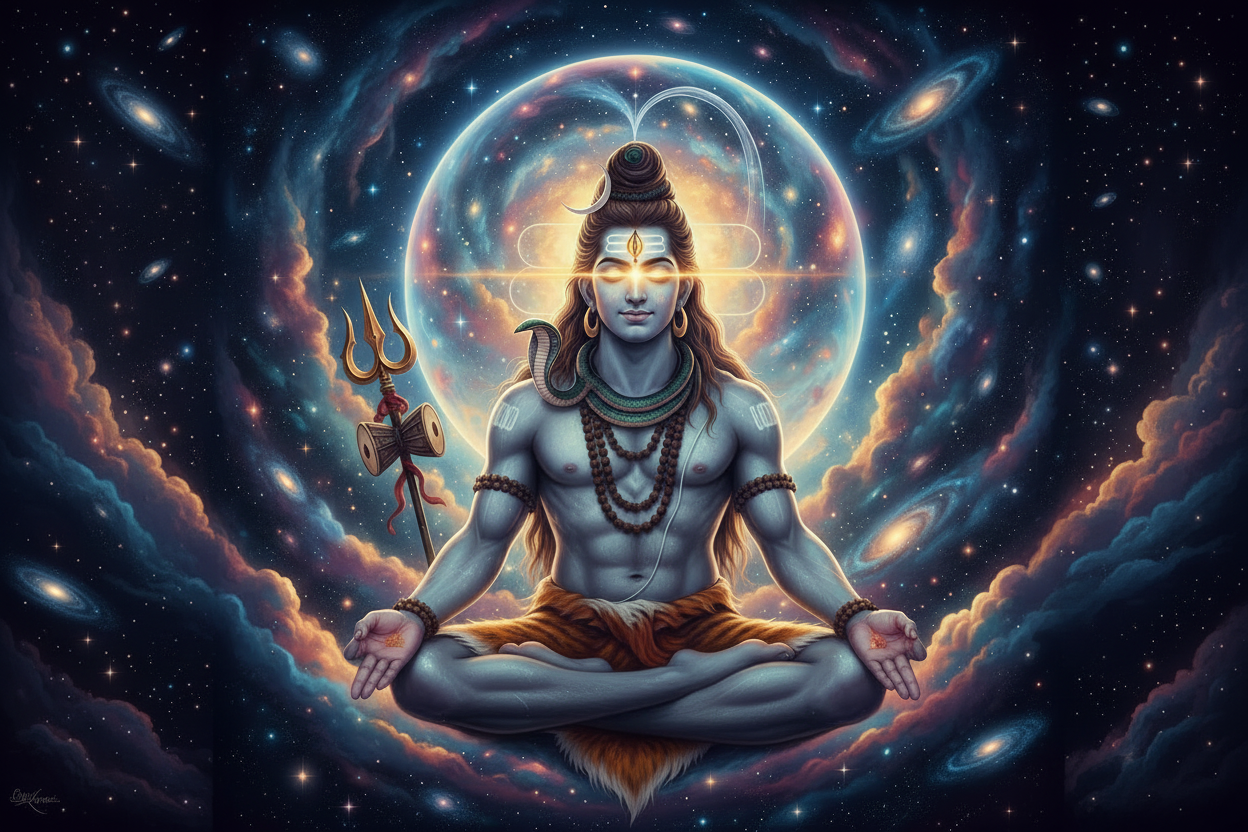
The Mahamrityunjay Mantra: Significance, Benefits, and Healing Power
In the vast landscape of Vedic spirituality, few chants hold as much potency as the Mahamrityunjay Mantra. Known as the “Great Death-Conquering Mantra,” it is a verse of the Rigveda (7.59.12) dedicated to Lord Shiva in his form as Tryambaka (the Three-Eyed One).
Whether you are seeking physical healing, mental peace, or liberation from the fear of the unknown, understanding the significance of the Mahamrityunjay Mantra is the first step toward spiritual empowerment.
What is the Mahamrityunjay Mantra?
The mantra was revealed to the sage Markandeya and is often referred to as the Mrita-Sanjivini mantra because of its life-restoring properties.
The Sanskrit Verse:
ॐ त्र्यम्बकं यजामहे सुगन्धिं पुष्टिवर्धनम् । उर्वारुकमिव बन्धनान्मृत्योर्मुक्षीय माऽमृतात् ।।
The Transliteration:
Om Tryambakam Yajamahe Sugandhim Pushti-Vardhanam Urvarukam-iva Bandhanan Mrityor-Mukshiya Ma-Amritat
Word-by-Word Meaning and Symbolism
To truly experience the Mahamrityunjay Mantra benefits, one must understand what each syllable represents:
- Tryambakam: The Three-Eyed One (Lord Shiva), who sees what we cannot.
- Yajamahe: We worship or honor.
- Sugandhim: The fragrant one (representing the fragrance of virtue).
- Pushti-Vardhanam: The one who nourishes our physical and spiritual health.
- Urvarukam-iva: Like a ripened cucumber.
- Bandhanan: From bondage (the vine).
- Mrityor-Mukshiya: Liberate us from death.
- Ma-Amritat: But not from immortality.
The Profound Significance of the Mantra
The core significance of the Mahamrityunjay Mantra lies in its metaphor of the cucumber. Just as a ripened cucumber falls away from its vine effortlessly without any struggle, the devotee asks Lord Shiva to liberate their soul from the cycle of birth and death as naturally and painlessly as possible.
It is not just a prayer to avoid physical death; it is a plea to end the “death” of the ego and the limitations of the material world.
7 Powerful Benefits of Chanting the Mahamrityunjay Mantra
Regular and sincere chanting (especially 108 times) is believed to create a protective shield (Kavacha) around the practitioner.
- Conquering Fear: It is the ultimate remedy for the fear of death and sudden calamities.
- Physical Healing: Many practitioners use this mantra to aid recovery from chronic illnesses and to improve overall vitality.
- Mental Clarity: The vibrations help in reducing anxiety, depression, and mental fog.
- Neutralizing Doshas: In Vedic astrology, it is the primary remedy for Markesh Dasha and Kaal Sarp Dosha.
- Spiritual Growth: It clears the path for meditation and deepens one’s connection with the Divine.
- Protection: It acts as a shield against negative energies and “unseen” obstacles.
- Longevity: It is traditionally chanted on birthdays and for the well-being of elders to promote a long, healthy life.
How to Chant for Maximum Efficacy
To activate the Mahamrityunjay Mantra benefits, follow these traditional guidelines:
- Time: The best time is during Brahma Muhurta (around 4:00 AM) or at sunset.
- Mala: Use a Rudraksha Mala for counting.
- Count: Chanting the mantra 108 times is considered a complete cycle.
- Intention: Keep a steady, calm rhythm and focus on the vibration at the center of your forehead (the Third Eye).
FAQ
It is called so because it asks for liberation (Mukti) from the cycle of death and rebirth, and is traditionally used to protect against untimely death (Akaal Mrityu).
Yes, with devotion and a pure heart, anyone can chant it. It is a universal prayer for well-being and peace.
Similar Article: “Why is Lord Shiva Worshipped in the Form of a Lingam?“