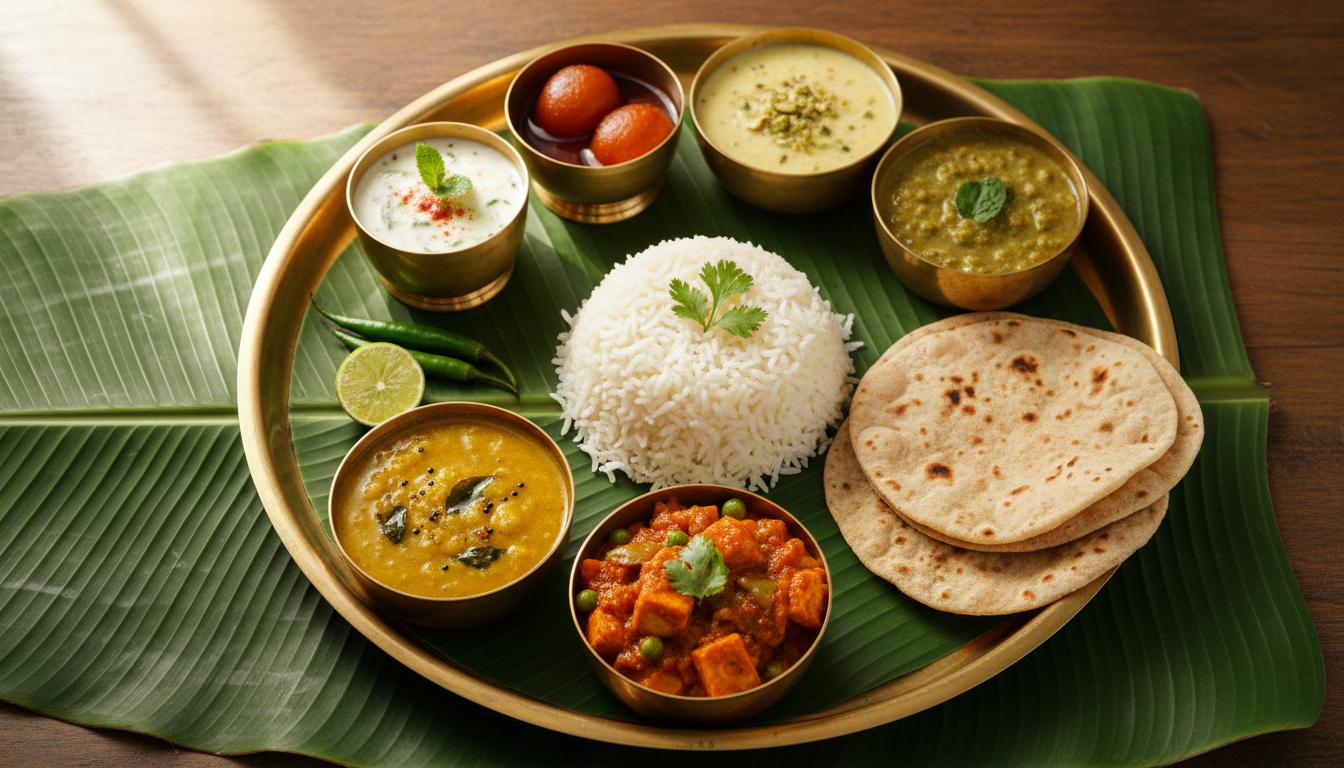
Do Hindus Eat Meat? Understanding Hindu Dietary Practices & Vegetarianism
Ask someone on the street what Hindus eat, and you’ll likely hear “vegetarian.” But the reality is far more nuanced. Do Hindus eat meat? The answer might surprise you: some do, some don’t—and both groups consider themselves practicing Hindus.
This isn’t hypocrisy or confusion. It’s a reflection of Hinduism’s remarkable diversity, its emphasis on individual spiritual evolution, and the complex interplay between scripture, culture, and personal choice.
Let’s explore what Hindu tradition actually says about meat, why vegetarianism is so strongly associated with Hinduism, and why millions of Hindus worldwide include meat in their diets.
The Short Answer: Not All Hindus Are Vegetarian
Here’s the truth: Hinduism has no universal dietary law that applies to all followers. Unlike some religions with clear food commandments, Hindu tradition offers guidance, principles, and recommendations—but ultimately leaves dietary choices to individual conscience, family tradition, and regional culture.
The numbers tell the story:
- Approximately 30-40% of Indian Hindus identify as vegetarian (varies by region and survey)
- 60-70% of Hindus consume meat (excluding beef, which is widely prohibited)
- Beef consumption is extremely rare among practicing Hindus (under 5%)
So while vegetarianism is strongly associated with Hinduism—and is considered spiritually superior—it’s not a requirement for being Hindu.
Scriptural Basis: What Hindu Texts Say About Meat
Hindu scriptures present a complex, evolving picture on meat consumption:
Vedic Period (1500-500 BCE)
The earliest Vedic texts describe animal sacrifices (yajna) where meat was ritually offered and consumed. This wasn’t everyday eating—it was sacred, ceremonial, and highly regulated.
Later Vedic & Upanishadic Period
A shift emerges. The Upanishads begin emphasizing ahimsa (non-violence) as a core spiritual principle. The Chandogya Upanishad (3.17.4) lists ahimsa as a fundamental virtue.
Dharma Shastras & Law Codes
Texts like the Manusmriti present mixed guidance:
- Some verses permit meat eating under specific conditions
- Others strongly discourage it, citing karmic consequences
- Manusmriti 5.48-55 discusses the karmic weight of killing animals for food
The Bhagavad Gita
Krishna doesn’t explicitly forbid meat but emphasizes sattvic (pure) food. Chapter 17, verses 8-10 classify foods by their effect on consciousness—this becomes the foundation for Hindu dietary philosophy.
The pattern is clear: Hindu scripture evolves toward vegetarianism as an ideal, but doesn’t universally mandate it.
The Beef Prohibition: Why Cows Are Off-Limits
If Hindu dietary practice has one near-universal rule, it’s this: Hindus don’t eat beef.
This prohibition transcends sect, region, and even vegetarian/non-vegetarian identity. Here’s why:
- The Cow as Sacred Mother
The cow represents Kamadhenu—the divine bovine goddess of abundance. She’s seen as a nurturing mother figure, providing milk, butter, ghee, and agricultural support. - Lord Krishna’s Connection
Krishna, one of Hinduism’s most beloved deities, was a cowherd (Govinda, Gopala). His childhood stories center around protecting and cherishing cows. - Ahimsa Applied
Cows symbolize non-violence and gentle giving. Killing a cow violates ahimsa at the deepest level. - Economic & Agricultural Role
Historically, cows were essential for farming, milk, and fuel (dung). Protecting them was practical wisdom, not just spirituality.
Important distinction: While beef is almost universally prohibited, other meats (chicken, lamb, fish, goat) are consumed by many Hindus—especially in certain regions and communities.
Sattvic, Rajasic, Tamasic: The Three Food Categories
The Bhagavad Gita (17.8-10) classifies foods by their effect on consciousness:
Sattvic Foods (Pure, Harmonious)
- Fresh fruits, vegetables, grains, legumes
- Milk, ghee, honey
- Nuts, seeds
- Effect: Clarity, peace, spiritual awareness
- Recommended for: Spiritual seekers, brahmins, daily practice
Rajasic Foods (Stimulating, Active)
- Spicy, salty, sour foods
- Onions, garlic (in some traditions)
- Effect: Passion, restlessness, ambition
- Recommended for: Warriors, leaders, active professions
Tamasic Foods (Dull, Heavy)
- Stale, overcooked, processed foods
- Meat, alcohol, mushrooms (in some classifications)
- Effect: Lethargy, confusion, inertia
- Generally discouraged for spiritual practice
Key insight: Even meat-eating Hindus often avoid it during religious observances, festivals, pilgrimages, or when pursuing serious spiritual practice. The ideal is sattvic, but life circumstances vary.
Regional & Cultural Variations: India’s Diversity on a Plate
India’s 1.4 billion people span dozens of cultures, languages, and traditions. Hindu dietary practice reflects this diversity:
Strongly Vegetarian Regions:
- Gujarat: ~70% vegetarian (Jain + Hindu influence)
- Rajasthan: ~60% vegetarian (desert culture, Vaishnavism)
- Uttar Pradesh (Brahmin communities): High vegetarianism
- South India (Tamil Brahmins, Udupi): Strong vegetarian tradition
Meat-Eating Hindu Communities:
- Bengal: Fish is staple (even among many Brahmins)
- Kerala: Beef consumed by some Hindu communities (historical exception)
- Kashmir: Traditionally meat-eating (harsh climate)
- Northeast India: Meat common (tribal Hindu communities)
- Kshatriya (Warrior) Castes: Historically meat-eating for strength
Diaspora Hindus:
- Western Hindus: Often adopt local dietary habits
- Younger generations: More flexible than parents
- Spiritual seekers: May return to vegetarianism for health/ethics
The takeaway: Geography, caste, family tradition, and personal spirituality all shape Hindu dietary choices. There’s no single “Hindu diet.”
Spiritual Reasoning: Ahimsa, Karma, and Consciousness
Why does Hinduism lean toward vegetarianism despite not mandating it? Three core concepts:
1. Ahimsa (Non-Violence)
Every living being has consciousness. Killing for food creates karmic debt. The Mahabharata (18.116.47) states: “One who does not harm any being attains the highest goal.”
2. Karma
Actions have consequences. Taking life—even for food—creates subtle karmic impressions that affect future births. Vegetarianism minimizes this karmic burden.
3. Consciousness & Food
You are what you eat—literally, in Hindu philosophy. Animal flesh carries the consciousness, fear, and stress of the slaughtered animal. Sattvic foods carry peaceful, life-affirming energy.
The Taittiriya Upanishad teaches: “From food, all beings are born; by food, they grow; into food, they merge.” Food isn’t just nutrition—it’s consciousness transfer.
Modern Hindu Practice: Statistics & Contemporary Trends
Current trends among Hindus:
- Rising vegetarianism: Health, environmental, and ethical concerns drive younger Hindus toward plant-based diets
- Flexitarian approach: Many Hindus eat meat occasionally but avoid it during religious periods
- Beef remains taboo: Even meat-eating Hindus overwhelmingly avoid beef
- Diaspora influence: Western Hindus often adopt vegetarianism as identity marker
- Political dimension: Cow protection has become politicized in modern India
Survey data (approximate):
- 30-40% of Indian Hindus: Vegetarian
- 60-70%: Consume some meat (not beef)
- <5%: Consume beef (mostly non-practicing or specific communities)
Common Misconceptions: What People Get Wrong
Myth 1: “All Hindus are vegetarian”
Reality: Majority consume some meat (just not beef)
Myth 2: “Hinduism forbids all meat”
Reality: Scripture discourages but doesn’t universally forbid
Myth 3: “Hindus who eat meat are less spiritual”
Reality: Many devout Hindus eat meat; spirituality isn’t diet-policed
Myth 4: “It’s just about religion”
Reality: Culture, geography, economics, and family tradition matter equally
Myth 5: “Hindu vegetarianism is the same as veganism”
Reality: Traditional Hindu diet includes dairy (milk, ghee, yogurt) as sacred foods
Practical Guidance: For Hindus Navigating Dietary Choices
If you’re Hindu and wondering about your diet:
Consider Vegetarianism If:
- You’re pursuing serious spiritual practice (sadhana)
- You feel drawn to ahimsa as a personal value
- Health or environmental concerns align with your values
- You want to minimize karmic burden
It’s Okay to Eat Meat If:
- You’re not ready for full vegetarianism
- Your family/cultural tradition includes meat
- You avoid beef and observe restrictions during holy periods
- You choose ethically sourced, minimally processed meat
Middle Path (Common Approach):
- Vegetarian during festivals, pilgrimages, Navratri, Ekadashi
- Avoid beef universally
- Reduce meat gradually rather than abrupt change
- Choose chicken/fish over red meat (lower karmic weight in some traditions)
The Gita’s wisdom: Better to follow your own dharma imperfectly than another’s perfectly (3.35). Your diet should align with your nature, circumstances, and spiritual readiness.
Conclusion: Respect for Individual Paths
Do Hindus eat meat? Some do, some don’t—and Hinduism makes space for both.
The tradition clearly ideals vegetarianism as spiritually superior, more aligned with ahimsa, and more conducive to spiritual practice. But it also recognizes that spiritual evolution happens gradually, and individual circumstances vary.
Whether you’re vegetarian, flexitarian, or meat-eating (excluding beef), what matters is:
- Consciousness in your choices
- Compassion toward all beings
- Gratitude for the food you receive
- Gradual evolution toward less harmful living
As the Mahabharata reminds us: “Ahimsa paramo dharma”—non-violence is the highest duty. How we interpret and apply that principle is our individual dharma to discern.
FAQ: Hindu Dietary Practices Answered
Q1: Is vegetarianism required to be Hindu?
A: No. While vegetarianism is spiritually encouraged, it’s not a requirement for Hindu identity. Millions of practicing Hindus consume meat (excluding beef).
Q2: Why don’t Hindus eat beef?
A: The cow is considered sacred—a mother figure representing abundance, non-violence, and divine nurturing. Lord Krishna’s association with cows reinforces this reverence.
Q3: Can Hindus eat chicken and fish?
A: Yes, many Hindus consume chicken, fish, lamb, and goat. Beef is the primary prohibition. Some devout Hindus avoid all meat, but poultry and fish are widely accepted.
Q4: What is the sattvic diet in Hinduism?
A: Sattvic foods are pure, fresh, plant-based items that promote clarity and peace: fruits, vegetables, grains, legumes, milk, ghee, nuts. Recommended for spiritual practice.
Q5: Do Hindu priests eat meat?
A: Traditionally, Hindu priests (especially Brahmins) follow strict vegetarian diets as part of their ritual purity requirements. This varies by region and sect.
Q6: What about eggs? Are they vegetarian in Hinduism?
A: Traditional Hindu vegetarianism excludes eggs (considered tamasic or potential life). However, some modern Hindus accept unfertilized eggs. Lacto-vegetarianism is the traditional standard.
Q7: When do meat-eating Hindus avoid meat?
A: During religious festivals (Navratri, Diwali), pilgrimages, Ekadashi (11th lunar day), temple visits, and periods of spiritual observance. Many also avoid meat on specific weekdays (Tuesday, Saturday).
Q8: Is Hindu vegetarianism the same as vegan?
A: No. Traditional Hindu diet includes dairy products (milk, ghee, yogurt, paneer) as sacred, sattvic foods. Veganism is a modern adaptation some Hindus adopt for ethical reasons.
Q9: What does karma have to do with food?
A: Hindu philosophy teaches that killing animals for food creates karmic impressions. Vegetarianism minimizes this karmic debt, supporting spiritual progress and favorable future births.
Q10: Can I convert to Hinduism and still eat meat?
A: Yes. Hinduism doesn’t have formal conversion dietary requirements. Many new Hindus gradually adopt vegetarianism as they deepen their practice, but it’s not a conversion prerequisite.
Related Articles
Continue exploring our Hinduism FAQ series: