Is Yoga a Hindu Practice? Origins, Philosophy & Modern Global Yoga
Walk into any yoga studio worldwide—from Mumbai to Manhattan—and you’ll find people seeking flexibility, stress relief, or spiritual connection. But a common question arises: Is yoga a Hindu practice? Can people of other faiths practice yoga? Or is it exclusively Hindu?
The answer is nuanced: Yoga originated in Hindu tradition, deeply rooted in Hindu philosophy and spirituality. However, modern yoga has evolved into a global phenomenon practiced by people of all faiths—and none.
This guide explores yoga’s Hindu origins, its philosophical foundations, how it spread globally, and whether non-Hindus can authentically practice it.
Short Answer: Yes, Yoga Is Hindu in Origin
Yoga is undeniably Hindu in its origins, philosophy, and traditional practice:
- Roots: Ancient Hindu scriptures (Vedas, Upanishads, Bhagavad Gita)
- Foundational Text: Yoga Sutras of Patanjali (Hindu sage, ~400 CE)
- Philosophy: Based on Hindu concepts (karma, dharma, moksha, Atman-Brahman)
- Goal: Spiritual liberation (moksha)—a core Hindu objective
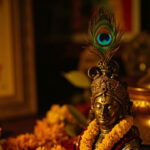
- Deities: Traditional yoga honors Hindu gods (Shiva as Adiyogi, Krishna as yoga teacher)
However, modern postural yoga (asanas) has been secularized and adapted for global audiences, making it accessible to people of all backgrounds.
Historical Origins: Yoga in Hindu Scriptures
Vedic Period (1500-500 BCE)
The earliest mentions of yoga appear in the Rig Veda and Atharva Veda:
- Rig Veda 5.81.1: Describes yogic discipline and control of mind
- Atharva Veda: Mentions breath control (pranayama) practices
- Context: Vedic priests used yoga for ritual purity and spiritual insight
Upanishadic Period (800-200 BCE)
The Upanishads systematically describe yoga practices:
- Katha Upanishad: Defines yoga as “steady control of the senses”
- Shvetashvatara Upanishad: Describes meditation postures, breath control
- Maitri Upanishad: Outlines six-fold yoga (pranayama, pratyahara, dhyana, etc.)
- Goal: Self-realization (Atman-Brahman unity)
The Bhagavad Gita (200 BCE-200 CE)
Krishna dedicates three entire chapters to yoga:
- Chapter 2: Karma Yoga (yoga of selfless action)
- Chapter 6: Dhyana Yoga (yoga of meditation)
- Chapter 12: Bhakti Yoga (yoga of devotion)
- Famous verse: “Yoga is skill in action” (2.50)
- Goal: Equanimity, selfless service, devotion to God
Yoga Sutras of Patanjali (~400 CE)
The most systematic Hindu yoga text:
- 196 sutras (aphorisms) organizing yoga philosophy
- Eight Limbs (Ashtanga Yoga): Yama, Niyama, Asana, Pranayama, Pratyahara, Dharana, Dhyana, Samadhi
- Definition: “Yoga is the cessation of mind fluctuations” (1.2)
- Goal: Kaivalya (liberation, isolation of pure consciousness)
Key insight: Every major Hindu scripture contributes to yoga philosophy—it’s inseparable from Hindu tradition.
Yoga Philosophy: Deeply Hindu Concepts
Yoga’s philosophical foundation is built on core Hindu concepts:
1. Atman and Brahman
- Atman: Individual soul/consciousness
- Brahman: Universal consciousness/ultimate reality
- Yoga’s goal: Realize Atman-Brahman unity (moksha)
- Hindu context: This is Vedanta philosophy—central to Hinduism
2. Karma and Rebirth
- Karma: Actions have consequences across lifetimes
- Samsara: Cycle of birth, death, rebirth
- Yoga’s role: Purify karma, break the cycle
- Hindu context: Karma and rebirth are distinctly Hindu concepts
3. Dharma (Righteous Duty)
- Dharma: Moral order, righteous living
- Yoga ethics: Yamas (non-violence, truthfulness, non-stealing, etc.)
- Connection: Yoga’s ethical foundation is Hindu dharma
4. Moksha (Liberation)
- Moksha: Liberation from samsara (cycle of rebirth)
- Yoga’s ultimate goal: Not fitness, but moksha
- Hindu context: One of four purusharthas (life goals) in Hinduism
5. Chakras and Kundalini
- Chakras: Seven energy centers (Muladhara to Sahasrara)
- Kundalini: Dormant spiritual energy at base of spine
- Yoga practice: Awaken kundalini, raise through chakras
- Hindu context: Tantric Hindu tradition
Conclusion: Remove Hindu philosophy, and yoga becomes mere stretching exercises—its spiritual depth disappears.
Shiva: The Adiyogi (First Yogi)
In Hindu tradition, Lord Shiva is Adiyogi—the first yogi:
- Legend: Shiva attained enlightenment and taught yoga to the Saptarishis (seven sages)
- Date: Hindu tradition dates this to 15,000+ years ago
- Symbolism: Shiva in meditation posture represents perfect yogi
- Modern recognition: 118-foot “Adiyogi” statue at Isha Yoga Center (Coimbatore, India)
International Yoga Day: June 21 (Summer Solstice)—marks when Shiva began teaching yoga to humanity.
How Yoga Went Global: From Hindu Practice to Worldwide Phenomenon
Late 1800s – Early 1900s: Hindu Gurus Come to West
- Swami Vivekananda (1893): Parliament of World’s Religions, Chicago
- Teaching: Raja Yoga (meditation, philosophy)—not physical postures
- Impact: Introduced Hindu yoga philosophy to Western audiences
1920s-1960s: Physical Yoga Emerges
- Krishnamacharya: “Father of Modern Yoga” (Mysore Palace)
- Students: B.K.S. Iyengar, Pattabhi Jois, Indra Devi
- Innovation: Emphasized asanas (postures), adapted for modern bodies
- Spread: Iyengar Yoga, Ashtanga Vinyasa, Hatha Yoga schools established
1960s-1980s: Counterculture Adoption
- Beatles in India (1968): Studied Transcendental Meditation with Maharishi Mahesh Yogi
- Hippie movement: Embraced yoga, meditation, Eastern spirituality
- Secularization begins: Yoga separated from Hindu religious context
1990s-Present: Mainstream Fitness
- Yoga studios: Proliferate in every major city
- Focus shift: From moksha (liberation) to flexibility, stress relief, fitness
- Scientific validation: Health benefits documented (flexibility, mental health, chronic pain)
- Global market: $80+ billion yoga industry
Result: Modern yoga often stripped of Hindu philosophical context—practiced as exercise, not spiritual sadhana.
Can Non-Hindus Practice Yoga?
This is a sensitive, debated question. Here are multiple perspectives:
Traditional Hindu View: Yes, Yoga Is Universal
- Hinduism’s nature: Inclusive, not exclusivist
- Yoga’s purpose: Self-realization—available to all humans
- Bhagavad Gita 9.32: Krishna says yoga is open to all castes, genders, backgrounds
- Historical precedent: Yoga practiced by Buddhists, Jains (non-Hindu but Dharmic traditions)
Modern Hindu Leaders’ Views
- Dalai Lama: “Yoga is a gift to humanity from India”
- Sadhguru (Isha Foundation): “Yoga is not religion; it’s a technology for well-being”
- Sri Sri Ravi Shankar: Encourages all people to practice yoga regardless of faith
- Yoga Alliance International: Welcomes practitioners of all backgrounds
Critical Hindu Voices: Respect the Roots
- Concern: Cultural appropriation—yoga commodified, Hindu roots erased
- Argument: If you practice yoga, acknowledge its Hindu origins
- Not: “Non-Hindus can’t practice” but “Honor the tradition you’re borrowing from”
Christian/Muslim Concerns
- Some Christians: Worry yoga’s Hindu spirituality conflicts with Christian faith
- Some Muslims: Concerned about chanting (Om), sun salutations (worship?)
- Response: Many Christians/Muslims practice “secular yoga”—postures only, no chanting
Practical Middle Path
- Non-Hindus CAN practice yoga—Hindu tradition welcomes it
- Respect the roots: Acknowledge Hindu origins, don’t erase them
- Choose your approach: Spiritual yoga (full philosophy) or secular yoga (postures only)
- Avoid appropriation: Don’t claim yoga as non-Hindu invention
Types of Yoga: From Traditional to Modern
Traditional Hindu Yogas (Spiritual Paths)
- Karma Yoga: Path of selfless action (Bhagavad Gita)
- Bhakti Yoga: Path of devotion (prayer, chanting, temple worship)
- Jnana Yoga: Path of knowledge (study, self-inquiry, discrimination)
- Raja Yoga: Path of meditation (Patanjali’s Eight Limbs)
- Hatha Yoga: Path of physical preparation (asanas, pranayama)
Modern Postural Yoga (Fitness-Oriented)
- Iyengar Yoga: Precision, alignment, props
- Ashtanga Vinyasa: Dynamic flowing sequences
- Power Yoga: Fitness-focused, strength-building
- Hot Yoga (Bikram): 26 postures in heated room
- Yin Yoga: Long-held passive stretches
- Restorative Yoga: Relaxation, stress relief
Hybrid Approaches
- Kundalini Yoga: Spiritual + physical (Sikh tradition, Hindu roots)
- Integrative Yoga: Combines therapy, psychology, healing
- Corporate Yoga: Workplace stress relief (fully secular)
Key distinction: Traditional yoga = spiritual liberation; Modern yoga = health and fitness. Both valid, but different goals.
Controversies: Cultural Appropriation vs. Cultural Appreciation
What Is Cultural Appropriation?
Taking elements from a culture without acknowledgment, respect, or understanding—often profiting while the source culture is marginalized.
Yoga Appropriation Concerns
- ❌ Erasing Hindu roots: “Yoga is not religious” (ignores Hindu philosophy)
- ❌ Rebranding: Calling it “mindfulness” or “wellness” without crediting Hinduism
- ❌ Profiting: White yoga teachers earn millions; Indian gurus marginalized
- ❌ Distortion: Goat yoga, beer yoga—trivializing sacred practice
Cultural Appreciation (Respectful Practice)
- ✅ Acknowledge origins: “Yoga comes from Hindu tradition”
- ✅ Learn philosophy: Study Bhagavad Gita, Yoga Sutras
- ✅ Honor teachers: Respect lineages (parampara)
- ✅ Support Hindu yoga: Learn from authentic Hindu teachers
- ✅ Chant with understanding: If you chant “Om,” know its Hindu meaning
The balance: Non-Hindus can practice yoga respectfully without appropriating it.
Scientific Benefits: Why Yoga Went Global
Yoga’s global spread isn’t accidental—science validates its benefits:
Physical Benefits (Documented)
- ✅ Improved flexibility, balance, strength
- ✅ Reduced chronic pain (back pain, arthritis)
- ✅ Better cardiovascular health
- ✅ Enhanced immune function
- ✅ Improved sleep quality
Mental Health Benefits
- ✅ Reduced stress, anxiety, depression
- ✅ Improved focus, concentration
- ✅ Emotional regulation
- ✅ PTSD symptom reduction
Spiritual Benefits (For Those Who Seek)
- ✅ Sense of inner peace
- ✅ Connection to something larger
- ✅ Self-awareness, introspection
- ✅ Compassion, empathy development
Why it matters: Even secular yoga delivers benefits—making it accessible to all, regardless of faith.
Practical Guidance: How to Approach Yoga
For Hindus:
- Embrace yoga as part of your spiritual heritage
- Explore traditional paths (Karma, Bhakti, Jnana, Raja) beyond just asanas
- Study scriptures (Bhagavad Gita, Yoga Sutras)
- Teach yoga with philosophical context
For Non-Hindus Interested in Yoga:
- Yes, you can practice! Hindu tradition welcomes you
- Learn the roots: Read about yoga’s Hindu origins
- Choose your path: Spiritual yoga (full philosophy) or secular yoga (fitness)
- Respect the tradition: Acknowledge Hindu contributions
- Avoid: Claiming yoga as non-Hindu invention
For Yoga Teachers:
- Teach with cultural sensitivity
- Acknowledge Hindu roots in your classes
- Offer context for Sanskrit terms, chants
- Support diverse voices in yoga (including Hindu teachers)
For Skeptics:
- You can practice postures without spiritual elements
- Focus on physical/mental health benefits
- Avoid chanting, meditation if it conflicts with your faith
- Still acknowledge yoga’s historical origins
Conclusion: Yoga Is Hindu—And a Gift to Humanity
Is yoga a Hindu practice? Yes, unequivocally.
Yoga was born in Hindu tradition, nurtured by Hindu sages, and grounded in Hindu philosophy. Its goal (moksha), its ethics (dharma, ahimsa), its practices (asanas, pranayama, meditation), and its deities (Shiva as Adiyogi, Krishna as yoga teacher) are all Hindu.
But Hinduism has always viewed yoga as a universal gift—not exclusive property. The Bhagavad Gita, Upanishads, and Hindu leaders across millennia have welcomed all seekers to yoga’s path.
Modern yoga’s evolution into a global fitness phenomenon doesn’t erase its roots. Whether you practice for liberation or lower back pain, the lineage remains Hindu.
The respectful path forward:
- Non-Hindus: Practice freely, but honor the roots
- Hindus: Share yoga proudly, preserve its depth
- All: Avoid appropriation, embrace appreciation
As Swami Vivekananda said: “Yoga is a method to join the individual soul with the universal soul.” That invitation remains open to all of humanity—regardless of faith, background, or belief.
FAQ: Yoga and Hinduism Answered
Q1: Is yoga only for Hindus?
A: No. While yoga originated in Hindu tradition, it’s universally accessible. Hindu philosophy welcomes all seekers, regardless of faith.
Q2: Can Christians practice yoga?
A: Yes, many Christians practice yoga. Some focus on physical postures only; others integrate Christian prayer with yoga meditation. It’s a personal choice based on comfort with Hindu elements.
Q3: Can Muslims practice yoga?
A: Yes, many Muslims practice yoga. Some Islamic scholars permit it if religious elements (chanting, idol worship) are avoided. Focus on health benefits while respecting Islamic principles.
Q4: Do I need to be spiritual to practice yoga?
A: No. Modern postural yoga can be practiced purely for physical/mental health. However, traditional yoga includes spiritual dimensions—choose what aligns with your goals.
Q5: What does “Om” mean in yoga?
A: Om (Aum) is a sacred Hindu/Buddhist/Jain mantra representing universal consciousness. In yoga, it’s chanted to center the mind. Non-Hindus can chant it respectfully or practice silently.
Q6: Is yoga a religion?
A: No, yoga is not a religion—it’s a spiritual practice within Hinduism. You can practice yoga without converting to Hinduism, just as you can study Buddhist meditation without becoming Buddhist.
Q7: Why do yoga classes use Sanskrit names?
A: Sanskrit is yoga’s classical language (like Latin in Western medicine). Pose names (asanas) preserve traditional lineage. Understanding meanings deepens practice but isn’t required.
Q8: What’s the difference between Hindu yoga and modern yoga?
A: Hindu yoga aims for moksha (liberation) through philosophy, ethics, meditation, and postures. Modern yoga often focuses on fitness, flexibility, and stress relief—beneficial but different goals.
Q9: Should I say “Namaste” after yoga?
A: “Namaste” is a traditional Hindu greeting meaning “I bow to the divine in you.” It’s respectful to use with understanding. If uncomfortable, a simple “thank you” works too.
Q10: How can I practice yoga respectfully as a non-Hindu?
A: Acknowledge Hindu origins, learn the philosophy, support authentic teachers, avoid claiming yoga as non-Hindu invention, and practice with gratitude for the tradition’s gifts.
Related Articles
Continue exploring our Hinduism FAQ series: