Mundan Sanskar Significance: Spiritual & Scientific Benefits Explained
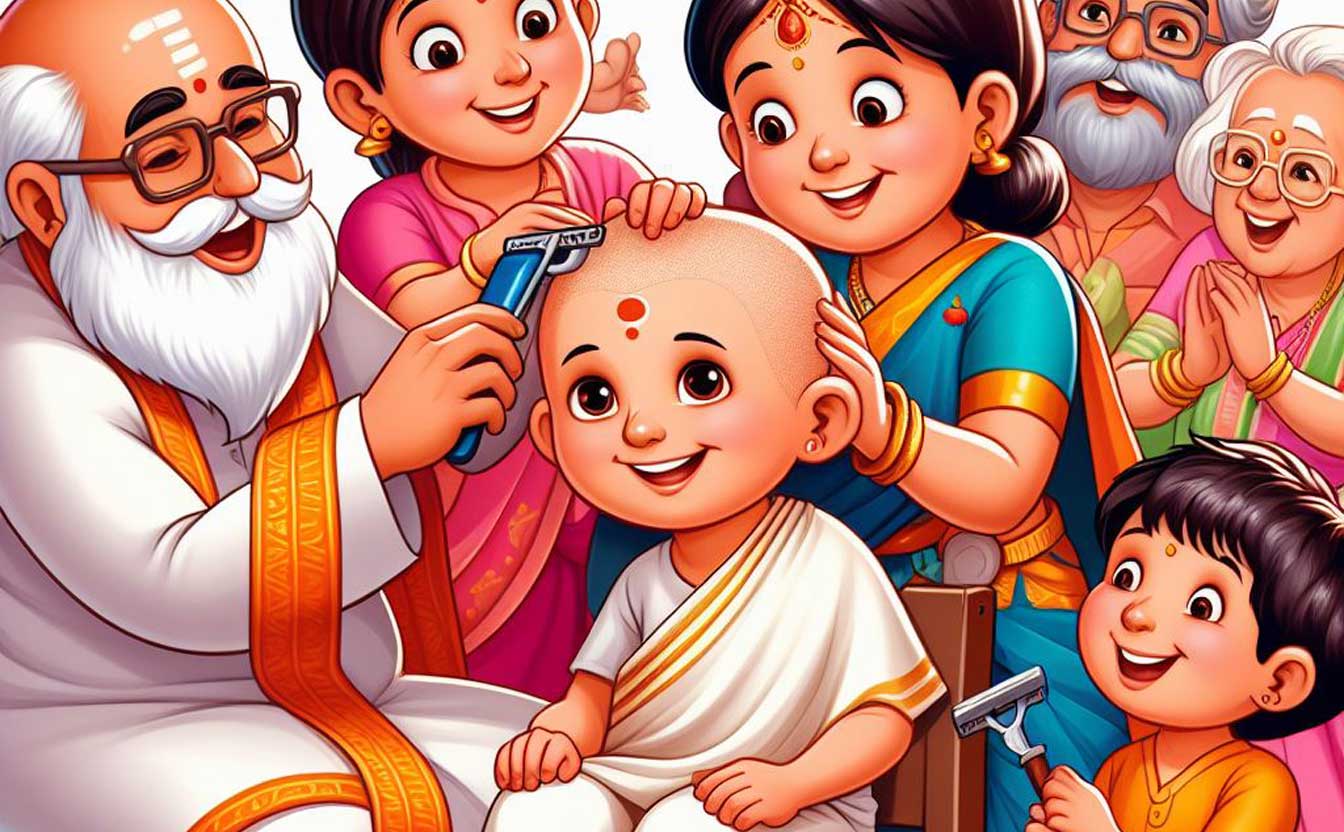
The Mundan Sanskar significance goes far beyond a simple tradition; it is a vital Vedic rite of passage that marks a child’s transition into a life of purity and health. Also known as Chudakarana, this first haircut is believed to wash away “Garbagat Malina Samskaras”—the karmic impurities brought from previous lives. By shaving the birth hair, parents aim to foster the child’s intellectual growth and physical longevity. Whether viewed through the lens of the Yajurveda or modern science, the Mundan ceremony remains a powerful ritual for a child’s holistic development.
Meaning and Timing of Mundan Sanskar
The Mundan Sanskar involves the first time a child’s hair is shaved from their head. According to Hindu tradition, this ceremony is typically performed when the child is one or three years old. Depending on specific family lineages (Kul Parampara), it may also be observed during the fifth or seventh year.
The Spiritual Significance: Shedding the Past
The primary belief behind the Mundan ceremony is the cleansing of “Garbagat Malina Samskaras”—the impurities or karmic traces carried over from previous births. Shaving the birth hair symbolizes:
- Purification: Washing away the past to start a new, enlightened life.
- Mental Clarity: Strengthening the child’s brain and intellectual capacity.
- Spiritual Awakening: Preparing the child for a path of wisdom and virtue.
Wisdom from the Vedas: Benefits of the Mundan
Ancient scriptures provide clear insights into why this ceremony is essential for a child’s development.
1. Longevity and Prosperity (Yajurveda)
The Yajurveda emphasizes that the Mundan is performed for the holistic empowerment of the child. The sacred verses state:
“I perform your Mundan to increase your lifespan, to make you capable of consuming nourishing food, to grant you productivity, to increase your prosperity, and to ensure you possess strength and valor.”
2. Health and Well-being (Ashvalayana Grihyasutra)
The Ashvalayana Grihyasutra contains the verse: “Ten Te Ayushe Vapami Sushlokaya Svastaye,” which translates to:
- Longevity: Extending the child’s life span.
- Righteousness: Inclining the child toward noble and welfare-oriented deeds as they grow.
The Scientific Significance of Mundan Sanskar: Why it Matters
Beyond the spiritual, there are practical health reasons for the Mundan:
- Vitamin D Absorption: A shaved head allows sunlight to reach the scalp more effectively, aiding in Vitamin D synthesis.
- Brain Cooling: It helps keep the child’s head cool, especially during the teething phase when body heat tends to rise.
- Hair Quality: It is widely believed that shaving the birth hair stimulates the nerves and leads to better hair growth in the future.
Quick Facts: Mundan Sanskar at a Glance
| Aspect | Traditional Detail |
| Best Age | 1st or 3rd year (sometimes 5th or 7th) |
| Core Goal | Intellectual growth and karmic cleansing |
| Scriptural Reference | Yajurveda & Ashvalayana Grihyasutra |
| Symbolism | Transition from the past life to the current life |
FAQ
Traditionally, it is performed in the 1st or 3rd year of a child’s life. Some families also observe it in the 5th or 7th year based on their Kul Parampara (family tradition).
Scientifically, shaving the birth hair stimulates the scalp’s nerves and ensures more uniform hair growth, though the primary Vedic goal is brain cooling and spiritual cleansing.