The Power of Hanuman Chalisa: Significance, Science, and Spiritual Benefits
In the heart of millions of seekers worldwide, the Hanuman Chalisa stands as an invincible shield of faith. Composed by the 16th-century poet-saint Goswami Tulsidas, this 40-verse hymn dedicated to Lord Hanuman is far more than a prayer; it is a profound spiritual vibration capable of transforming fear into courage and chaos into peace.
If you have ever wondered about the benefits of chanting Hanuman Chalisa or why it remains the most recited Hindu prayer in the world, this guide explores its deep-rooted significance.
What is the Significance of the Hanuman Chalisa?
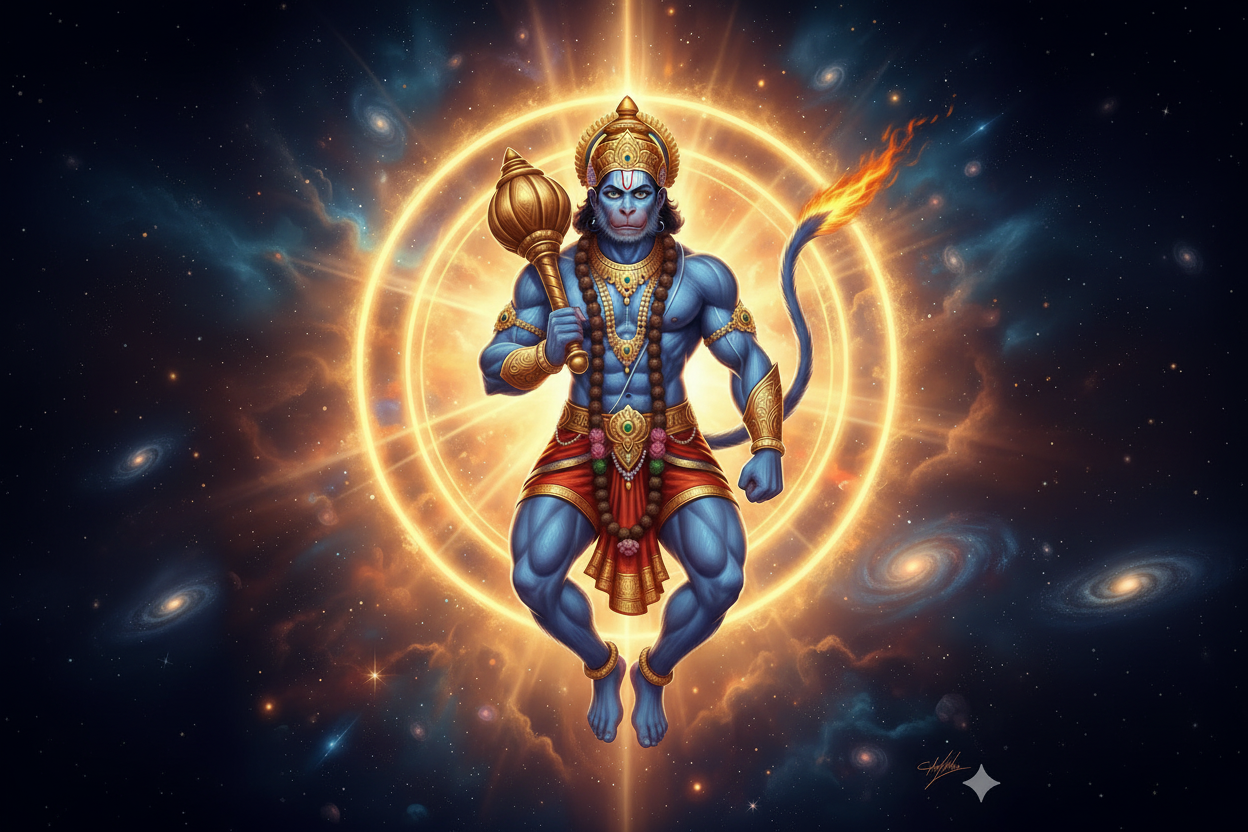
The word Chalisa is derived from the Hindi word Chalis, meaning “forty.” These forty verses describe the qualities, strength, and heroic deeds of Hanuman—the epitome of Bhakti (devotion) and Shakti (power).
1. A Cosmic Vibration
Every word in the Hanuman Chalisa is meticulously crafted in the Awadhi language. The phonetic rhythm of these verses creates a specific sound frequency that calms the nervous system. This is why many practitioners experience an immediate “shift” in their mental state upon reciting the first few lines.
2. The Victory of Mind over Matter
Lord Hanuman represents the “perfected mind.” By chanting his virtues, a devotee aims to cultivate his qualities: humility, immense physical strength, and unwavering focus. The significance of Hanuman Chalisa lies in its ability to remind us that our potential is infinite when aligned with the Divine.
7 Life-Changing Benefits of Chanting Hanuman Chalisa
Regular recitation of this prayer provides a holistic impact on the mind, body, and destiny. Here are the primary Hanuman Chalisa benefits:
- Elimination of Fear: It is the ultimate remedy for anxiety and “nightmares.” It invokes the presence of Hanuman, who is the “Sankat Mochan” (Reliever of Troubles).
- Removal of Shani Dosha: According to mythology, Lord Hanuman rescued Shani Dev from Ravana. Consequently, Shani Dev promised that those who worship Hanuman will not be troubled by the negative effects of Sade Sati or Dhaiya.
- Washing Away Sins: The opening verses emphasize that chanting cleanses the “mirror of the mind,” helping practitioners move past guilt and past mistakes.
- Intellectual Brilliance: Hanuman is the Vidyavan (Possessor of Knowledge). Students who chant the Chalisa often find an increase in concentration and memory.
- Protection from Negative Energies: It is widely believed that ghosts, spirits, and negative vibrations cannot enter the space where the Hanuman Chalisa is recited.
- Success in Difficult Tasks: The prayer instills “Atulita Bala” (Incomparable Strength), giving the devotee the stamina to complete challenging projects.
- Peace in the Household: It reduces friction between family members and brings a sense of harmony to the home environment.
When is the Best Time to Chant Hanuman Chalisa?
While the prayer can be recited at any moment of distress, traditional Vedic wisdom suggests specific times to maximize the power of Hanuman Chalisa:
- Brahma Muhurta (4:00 AM – 6:00 AM): For those seeking spiritual enlightenment and mental mastery.
- During Sunset (Sandhya Kaal): This is considered highly effective for protection and removal of the day’s stress.
- Saturdays and Tuesdays: These days are dedicated to Lord Hanuman and Shani Dev, making them the most auspicious days for recitation.
- Before Travel: To ensure a safe and hurdle-free journey.
FAQ
Traditionally, reading it 7 or 11 times is considered highly effective for specific wishes, while 100 times (Jo Sat Bar Path Kare Koi) is said to grant complete liberation from all bondages.
Yes. Lord Hanuman is a symbol of protection for all. Anyone with a pure heart and devotion can recite the Chalisa.
Similar Article: “Why Do Devotees Offer Sindoor (Vermilion) to Lord Hanuman?“