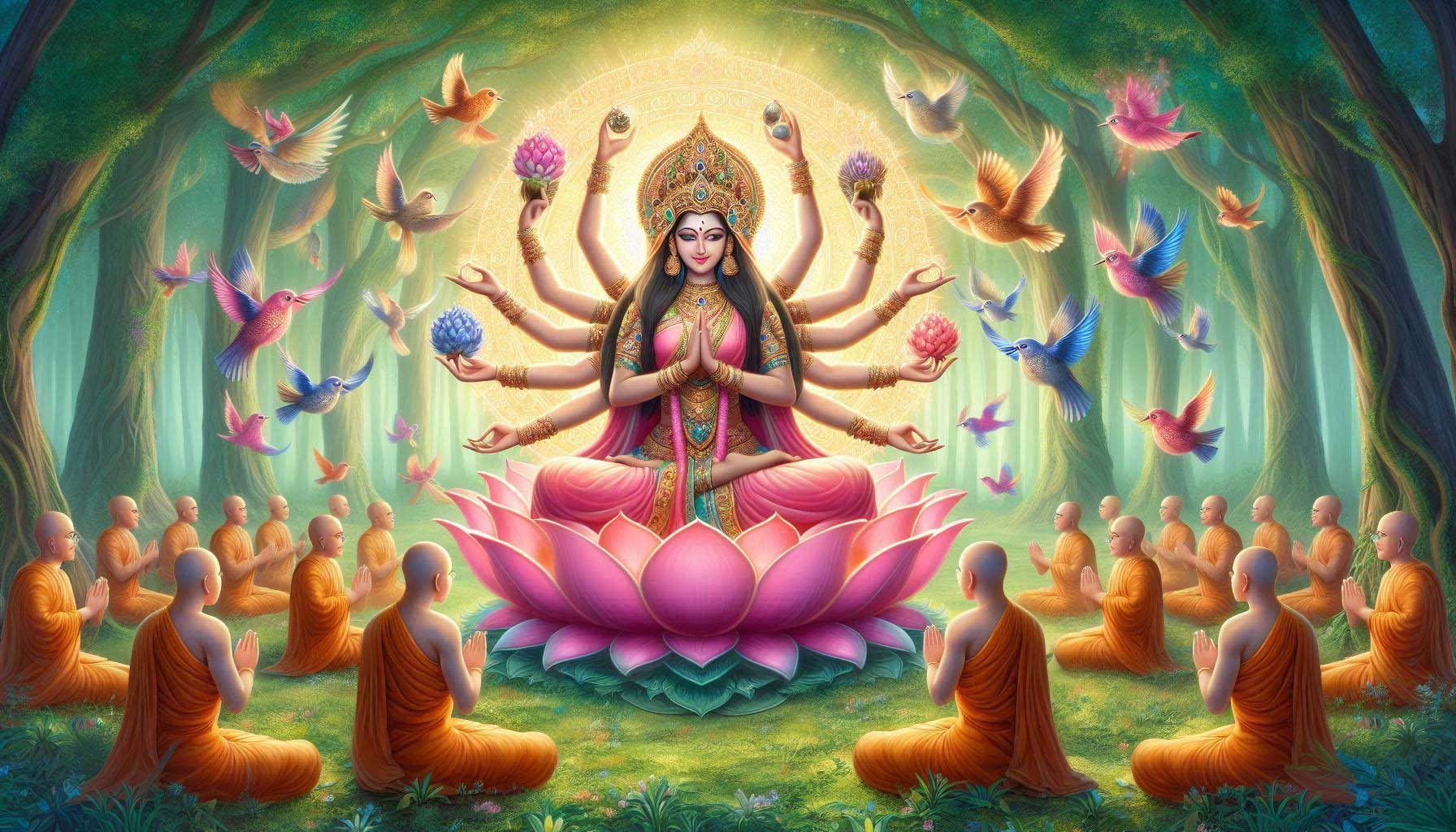
Hinduism is often described as a religion with many gods and goddesses. However, this diversity...
In Sanatan Dharma, trees are not viewed merely as natural resources but are revered as...
The Significance of the Tulsi (Holy Basil) Plant Describing the importance of the Tulsi plant,...
Karva Chauth is one of the most widely observed fasts in Sanatan Dharma, especially among...
The ancient text Manusmriti lays down guidelines for marriage. It states: “A girl who does...
In Sanatana Dharma, guests are not treated as ordinary visitors but are honored as divine...
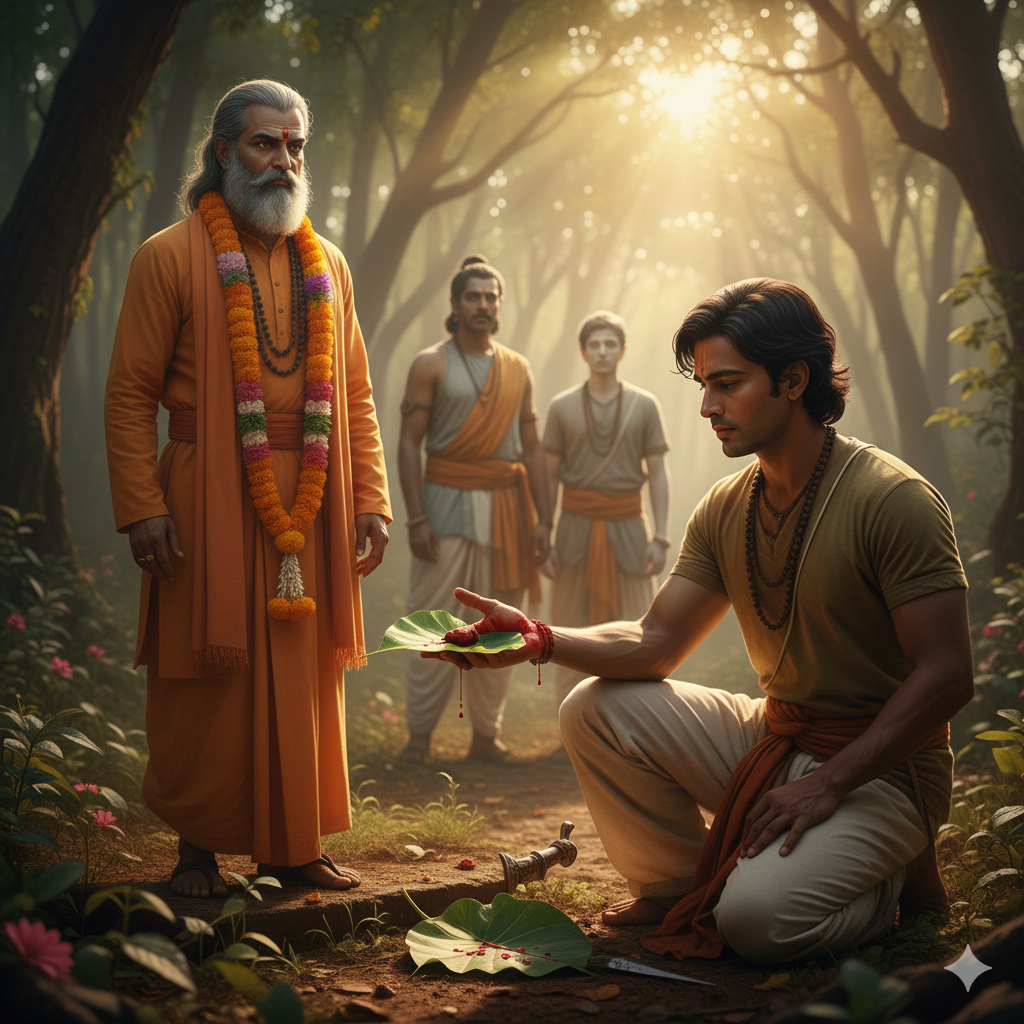
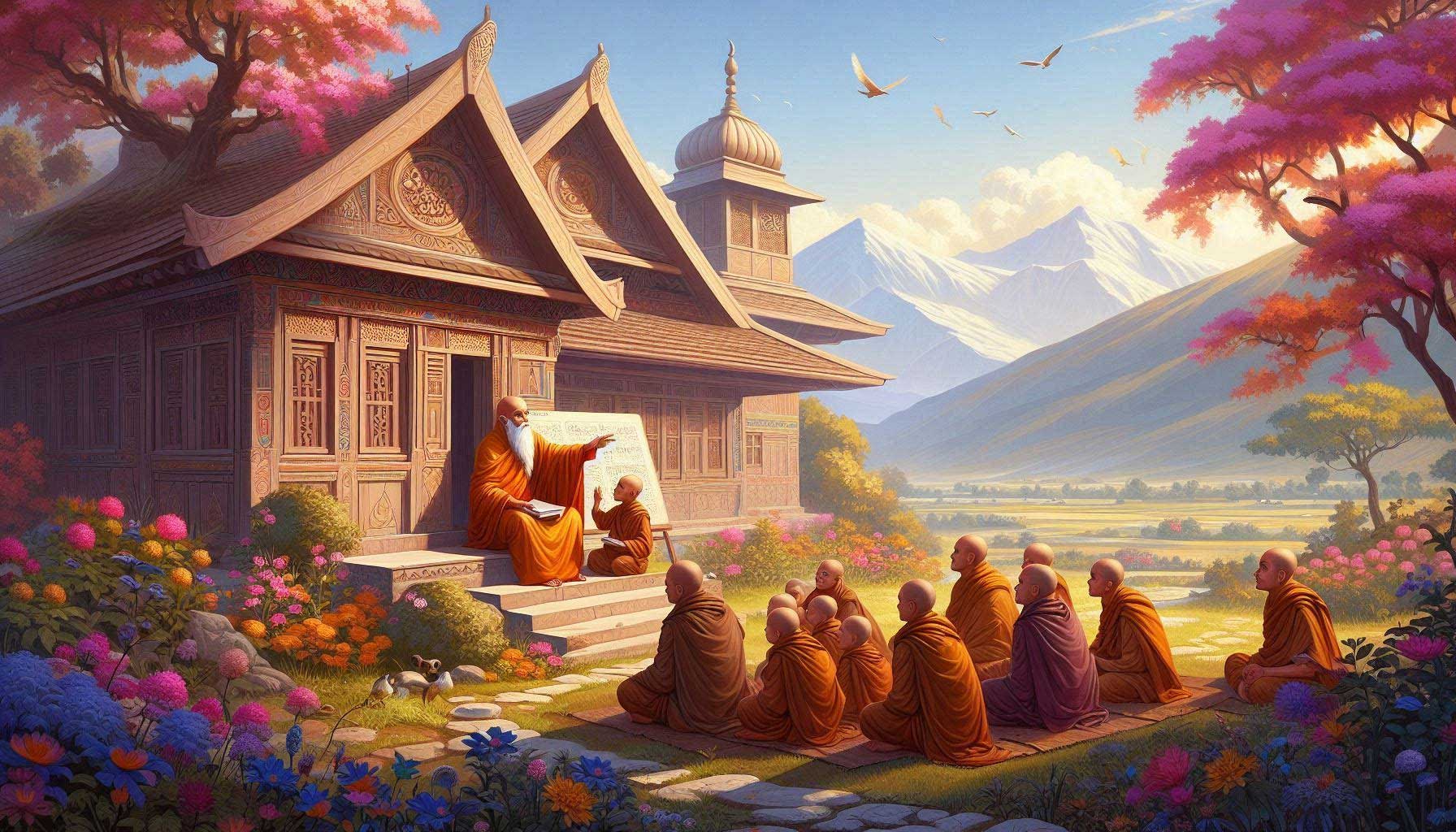
In the rich tapestry of Indian tradition, the bond between a teacher (Guru) and a...
In the traditions of India, the Guru is not merely a teacher but a spiritual...
Have you ever wondered why successful thinkers, spiritual leaders, and ancient sages all share one...
In Indian culture, the direction you face while performing a task is never accidental. Whether...
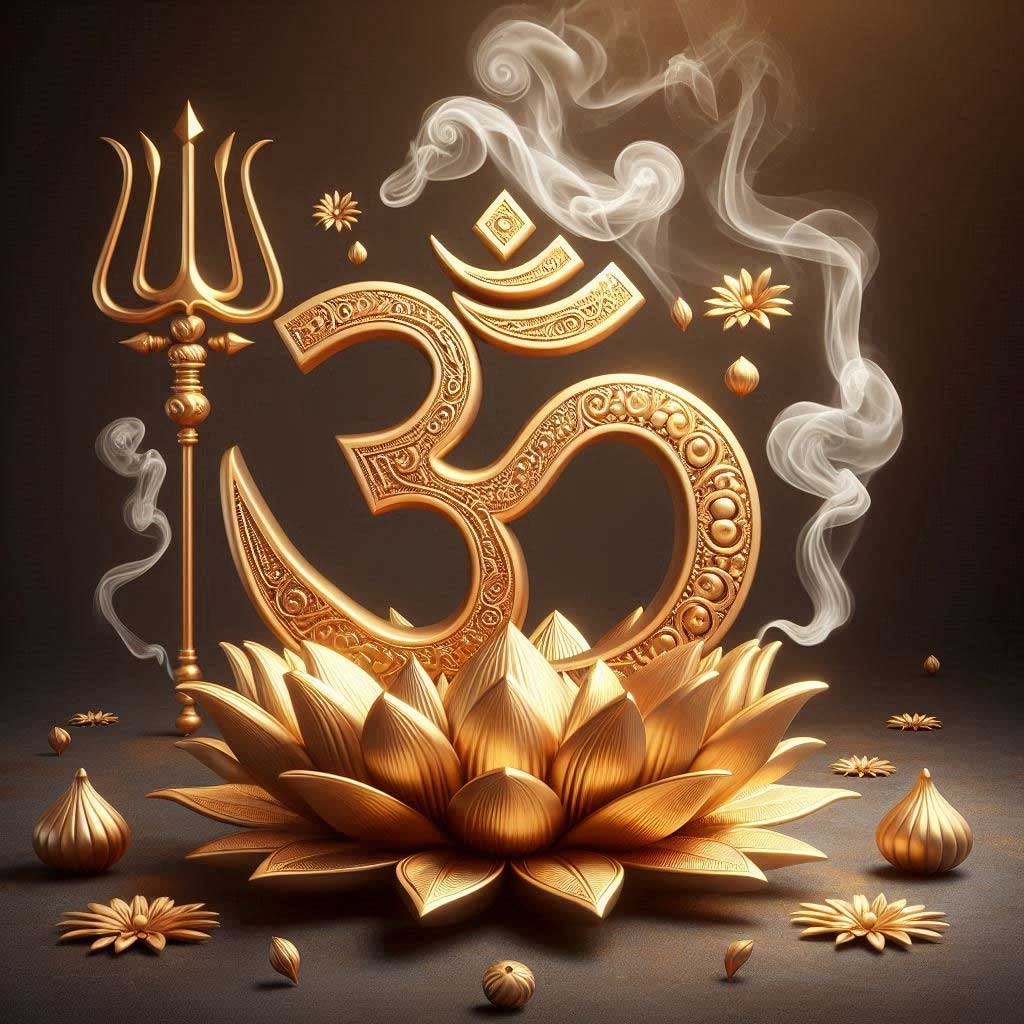
The Power of Om (ॐ) is recognized globally as the primordial vibration that birthed the...
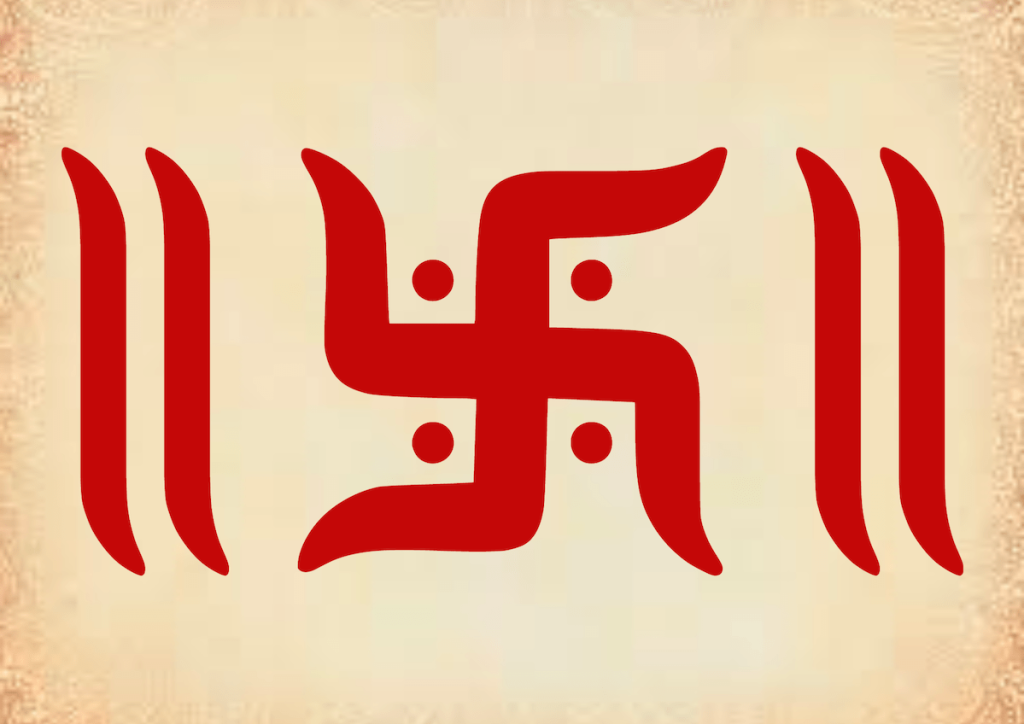
Note: In the Western context, it is important to distinguish the ancient spiritual Swastika from...
The Gayatri Mantra is widely regarded as one of the most powerful and sacred hymns...
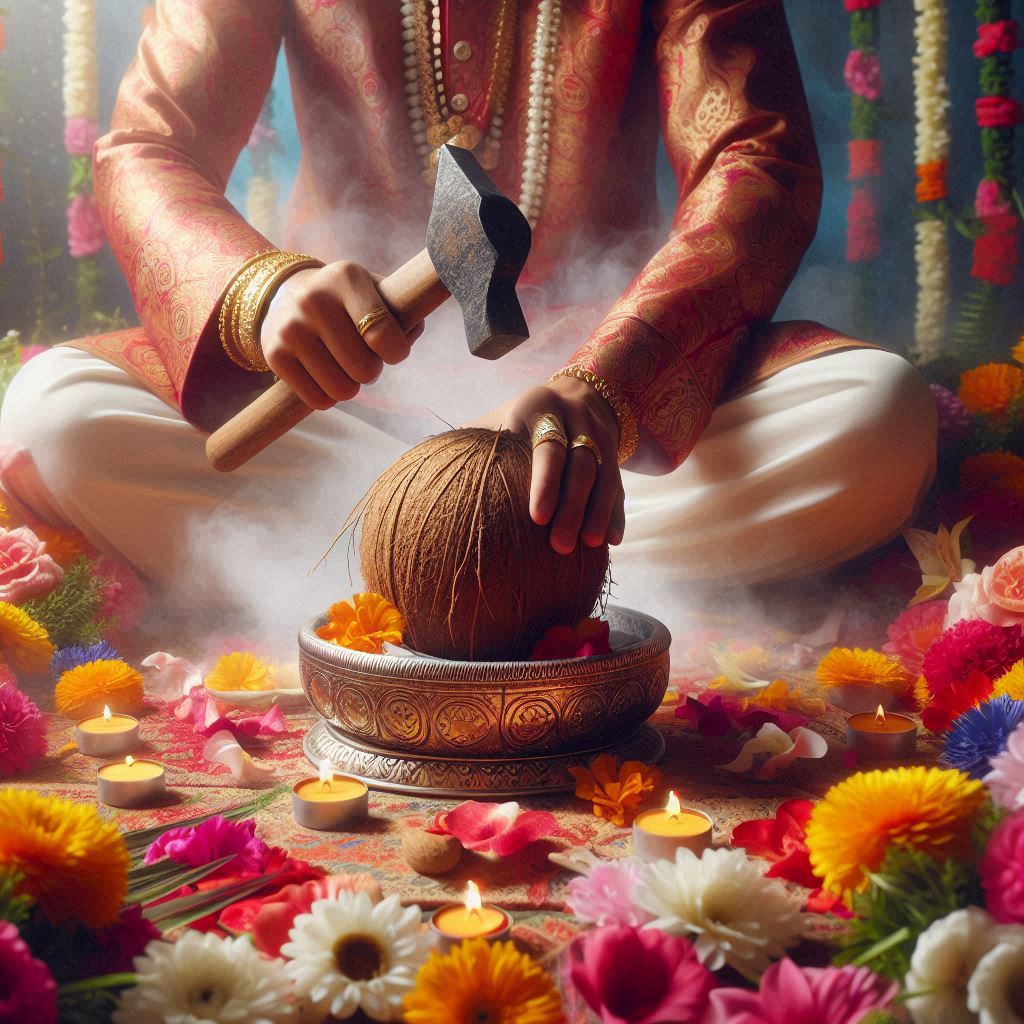
In every sacred ritual, from weddings to housewarmings, the significance of coconut in Hinduism is...
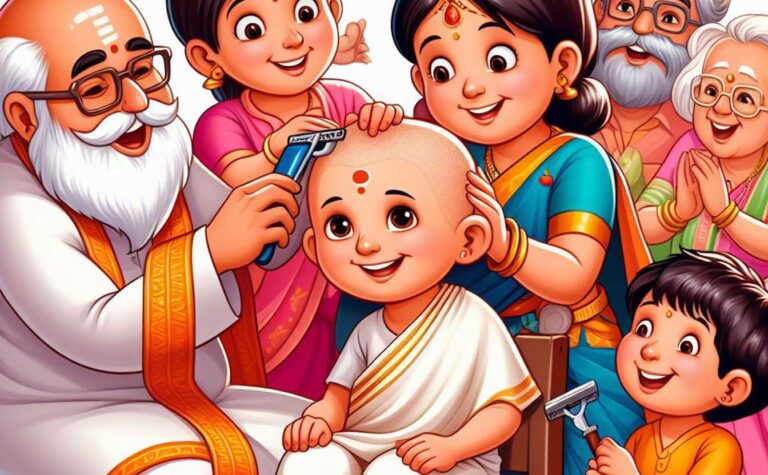
The Mundan Sanskar significance goes far beyond a simple tradition; it is a vital Vedic...
Why Does Shiva Have a Third Eye? Hindu Symbolism Explained
Why Does Krishna Wear a Peacock Feather? Hindu Symbolism Explained
Hinduism vs Christianity: Common Ground and Key Differences Explained
Dharma vs Karma — Clear Comparison: Understanding Hinduism’s Two Core Principles
Caste System in Hinduism — Varna vs Jati: Understanding Social Philosophy