Hinduism vs Buddhism: Similarities, Differences, and Meaningful Connections
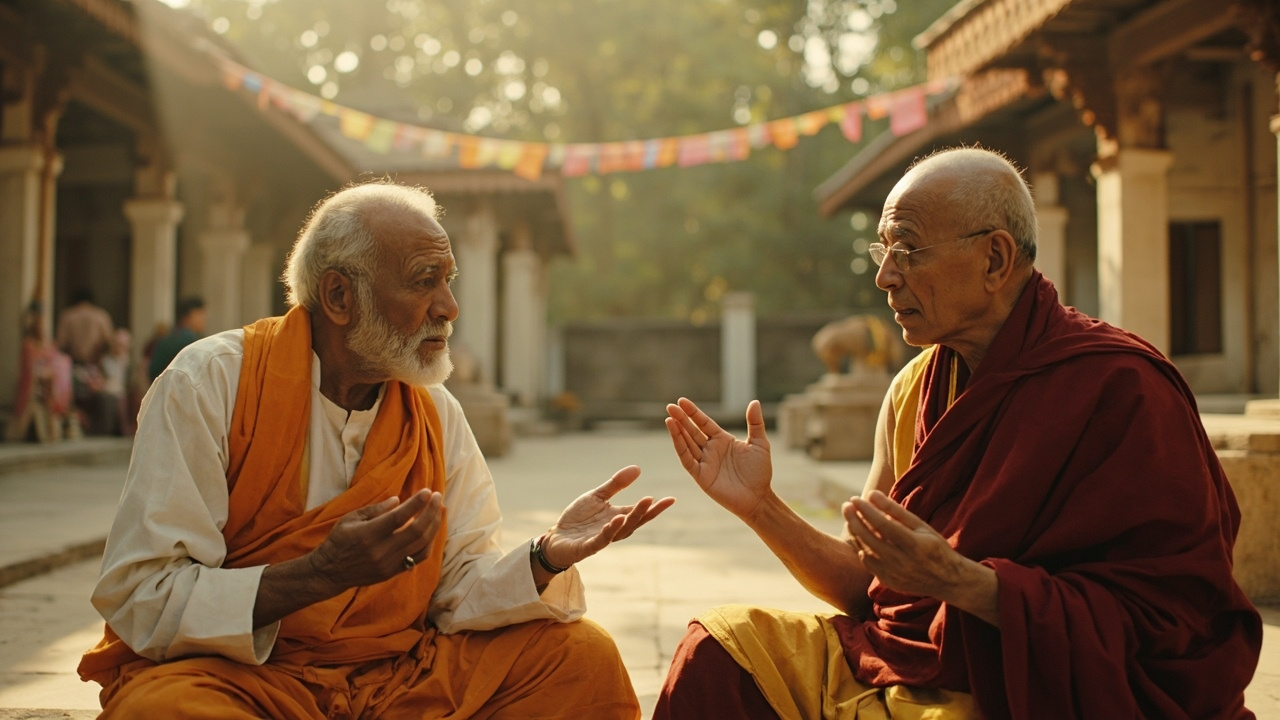
Hinduism and Buddhism are two of the worlds oldest living spiritual traditions, both born on the Indian subcontinent and shaping the lives of billions. While they share common origins and many foundational concepts, they diverge in crucial ways that have defined their unique paths for over two millennia. This article explores the meaningful connections and key distinctions between these traditions.
## Origins: Two Brothers from the Same Family
Both traditions emerged in ancient India, with Buddhism arising from Hindu soil in the 6th century BCE. Siddhartha Gautama, who became the Buddha, was born into a Hindu royal family and initially lived as a Hindu rajah before his enlightenment. The Buddhas teachings built upon and challenged existing Vedic concepts, creating a reform movement that eventually became an independent tradition.
## Core Philosophical Differences
Hinduism embraces a vast array of scriptures, deities, and philosophical schools. Buddhism, by contrast, began with a narrower focus on the Four Noble Truths and the Eightfold Path. Hindu concepts of Brahman (ultimate reality) and Atman (individual soul) have no direct parallel in Buddhism, which teaches non-self (anatman) and emphasizes impermanence over eternal essence.
## Paths to Liberation
Hinduism offers multiple paths (yogas) to moksha — the four primary paths being karma yoga (action), jnana yoga (knowledge), bhakti yoga (devotion), and raja yoga (meditation). Buddhism centers on the Noble Eightfold Path leading to nirvana — the extinguishing of suffering and craving. Both traditions aim at transcending the cycle of rebirth, yet their methods and ultimate goals differ significantly.
## Concept of Self and Soul
The most profound distinction lies in how each tradition views the self. Hinduism teaches that the Atman (individual soul) is eternal and ultimately identical with Brahman (universal consciousness) — encapsulated in the Mahavakya “Tat Tvam Asi” (That Thou Art). Buddhism teaches anatman (non-self), asserting there is no permanent, unchanging essence within beings. This fundamental difference shapes their respective approaches to liberation.
## The Caste System
Hinduism traditionally structures society around the varna system (Brahmins, Kshatriyas, Vaishyas, Shudras) with its historical jati (birth-based caste). Buddhism rejected birth-based hierarchy, teaching that spiritual merit — not birth — determines ones capacity for enlightenment. This radical equality was revolutionary in ancient India, though caste influences persist in Buddhist societies today.
## Sacred Texts and Authorities
Hinduism reveres the Vedas, Upanishads, Bhagavad Gita, and countless Puranic texts as revealed scripture. Buddhism recognizes the Tripiṭaka (Three Baskets) as its canonical collection — the Vinaya (monastic rules), Sutta (discourses), and Abhidhamma (philosophical analysis). Hinduism sees revelation as eternal; Buddhism emphasizes the Buddhas direct experience and teachings.
## Rituals and Practices
Both traditions value meditation, but express it differently. Hindu practices include puja (worship), pilgrimage, temple rituals, yoga, and recitation of mantras like the Gayatri. Buddhist practices emphasize mindfulness, loving-kindness meditation, chanting sutras, prostrations, and observing monastic precepts. Hinduism embraces devotional expression; Buddhism often emphasizes silent contemplation.
## Deities and Devotion
Hinduism embraces thousands of deities — from Brahma and Vishnu to Shiva and Devi — with personal devotion (bhakti) as a primary path. Buddhism acknowledges celestial beings (devas) but considers them also subject to samsara without special divine powers. The Buddha is revered as a supreme teacher, not a god, though some Mahayana traditions venerate celestial Buddhas and bodhisattvas.
## Karma and Rebirth
Both traditions accept karma (action and consequence) and samsara (cycle of rebirth), yet interpret them differently. Hindu karma operates through action, knowledge, and devotion, with each person carrying forward karmic seeds across lifetimes. Buddhist karma emphasizes intention, with rebirth continuing until the cycle ends in nirvana. Hinduism seeks liberation through fulfilling ones dharma; Buddhism seeks liberation from the very conditions that create karma.
## Community and Monasticism
Hindu monastic traditions (sadhus, swamis) exist alongside householder paths, with multiple orders and lineages. Buddhist monasticism is more unified, with bhikkhus (monks) and bhikkhunis (nuns) following consistent vinaya rules across schools. Both value renunciation, but Hinduism recognizes the householder life as equally valid — the four ashramas include grihastha (householder) as a foundational stage.
## Modern Relevance and Global Presence
Hinduism remains primarily an Indian tradition with growing global presence through the diaspora. Buddhism spread throughout Asia, adapting to local cultures in Theravada, Mahayana, and Vajrayana forms. Both traditions now flourish worldwide, offering ancient wisdom for contemporary challenges — from stress and mindfulness to questions about meaning and purpose.
## FAQ
### What is the main difference between Hinduism and Buddhism?
The core difference lies in the concept of self: Hinduism teaches the eternal Atman (soul) that is ultimately one with Brahman (ultimate reality), while Buddhism teaches anatman (non-self), asserting no permanent essence exists within beings.
### Did Buddhism originate from Hinduism?
Buddhism emerged from the Hindu cultural and spiritual context of 6th century BCE India. The Buddha was born into a Hindu royal family and initially lived as a Hindu before founding his own tradition. However, Buddhism developed distinct teachings that challenged Vedic authority and caste hierarchy.
### Can one be both Hindu and Buddhist?
Many followers practice elements of both traditions, especially in regions where Hindu and Buddhist cultures intersect. However, the philosophical differences around self, ultimate reality, and liberation mean that adhering to both systems fully can present logical tensions.
### Why does Hinduism have many gods while Buddhism has none?
Hindusims diverse deities represent different aspects of the one ultimate reality (Brahman), allowing devotees personalized paths to the divine. Buddhism views gods as still bound by samsara and teaches that the Buddha is a guide to liberation, not a divine being to worship.
### What are the similarities between Hinduism and Buddhism?
Both traditions originated in India, accept karma and rebirth, value meditation and ethical conduct, emphasize compassion, and seek transcendence of suffering. They share concepts like dharma (righteous duty), meditation practices, and the ultimate goal of liberation from the cycle of rebirth.
### Which is older, Hinduism or Buddhism?
Hinduism is older, with roots extending over 3,000 years before the Buddhas birth. However, the Hindu tradition as we know it today also developed gradually, with the Upanishads, Bhagavad Gita, and major philosophical schools emerging over centuries.
## Related Articles