Why Do Hindus Touch Elders Feet? The Sacred Tradition of Charan Sparsh Explained
Why Do Hindus Touch Elders’ Feet? This sacred tradition, known as charan sparsh or pranama in Sanskrit (प्रणाम), is one of Hinduism’s most meaningful gestures of respect. This simple act carries deep spiritual significance that goes beyond mere custom—it represents humility, seeks blessings, and acknowledges the wisdom that comes with age and experience. For billions of Hindus worldwide, this practice forms an essential bridge between generations, connecting the young to ancient wisdom through a physical expression of reverence.
The True Meaning Behind Charan Sparsh
The practice of touching feet, or charan sparsh, derives from the Sanskrit words “charan” meaning feet and “sparsh” meaning touch. In Hindu philosophy, the feet represent the grounding force that connects us to the earth, while the head symbolizes the seat of knowledge and ego. When we touch an elder’s feet, we symbolically lower our ego and seek their spiritual guidance and blessings.
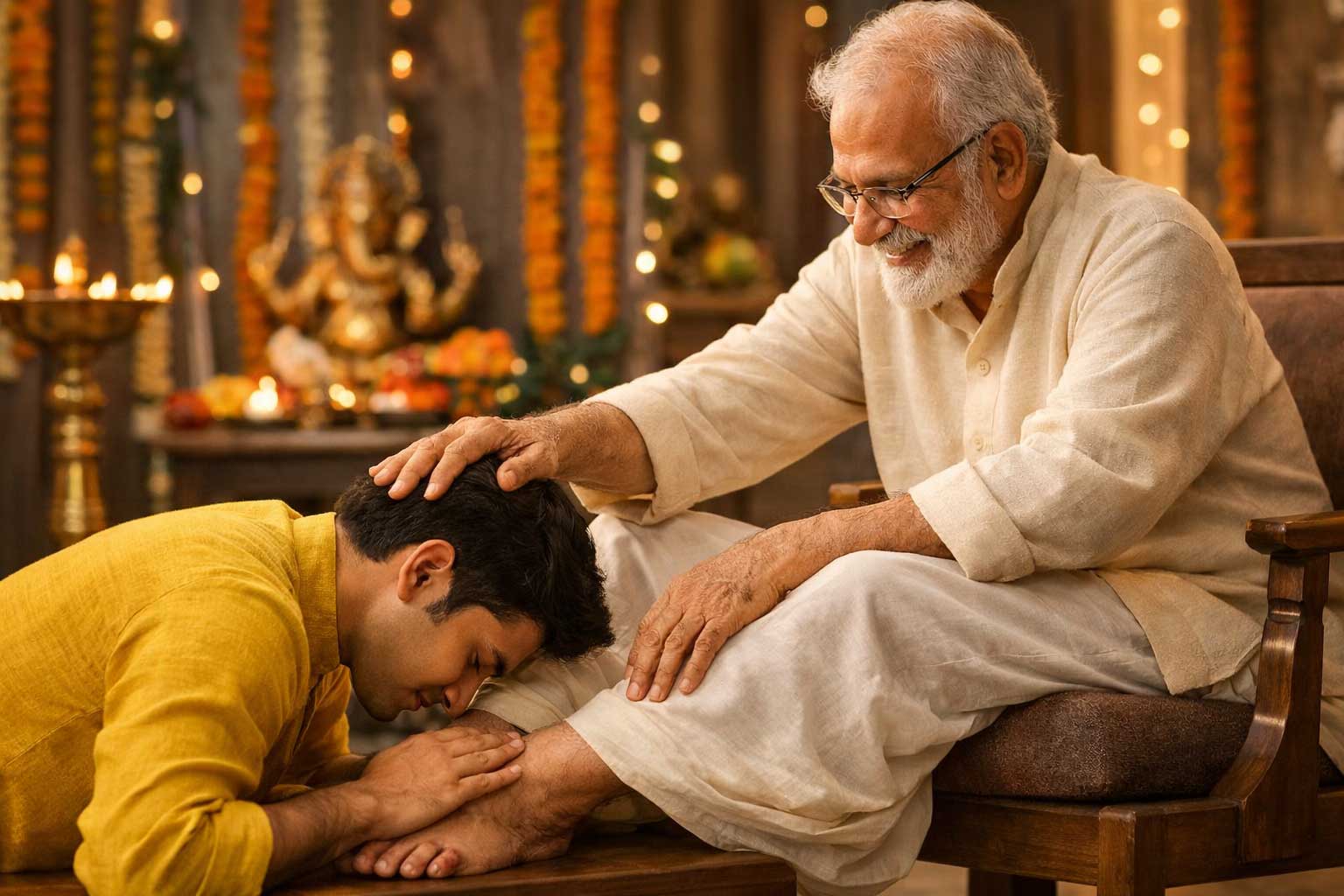
This act is not about considering the elder inferior, but rather recognizing that divine wisdom flows through them. It’s a mutual exchange: the elder offers blessings (ashirwad), and the younger person receives them with humility. Both participants benefit—the elder feels honored and respected, while the younger gains wisdom, positive energy, and blessings for their spiritual journey. This reciprocal relationship strengthens family bonds and community connections.
The feet are seen as conduits of energy in yogic tradition. The soles contain energy centers that connect directly to the earth. When we touch an elder’s feet with clean hands and a pure heart, we receive their accumulated spiritual energy and life wisdom. The elder then responds by placing their hands on our head or shoulders, completing the energy exchange and transferring positive vibrations.
Scriptural Foundations of This Practice
Ancient Hindu texts provide the theological and philosophical foundation for this practice. The Manusmriti (Laws of Manu), one of Hinduism’s most authoritative scriptures, emphasizes the importance of respecting one’s parents and teachers. Verse 2.145 states that reverence for elders leads to prosperity and spiritual advancement in this life and the next.
The Taittiriya Upanishad, part of the Krishna Yajurveda, contains the profound declaration “Matru Devo Bhava, Pitru Devo Bhava” – mother and father are to be worshipped as God itself. This principle extends beyond immediate parents to all elders who embody wisdom and life experience.
The Bhagavad Gita speaks to this tradition through its teachings on guru-disciple relationships. Chapter 4, Verse 34 instructs seekers to approach a guru with reverence, inquiry, and service. The practice of charan sparsh extends this guru-shishya parampara (teacher-student tradition) into family life, making every elder a potential source of wisdom and guidance.
In the Ramayana, Lord Rama is described as touching the feet of his gurus and elders, setting the ideal example for devotees. Similarly, the Mahabharata contains numerous instances where characters seek blessings from elders through this gesture, highlighting its importance in dharma (righteous living).
The Subtle Energy Exchange Explained
In the subtle anatomy of yoga philosophy, the crown chakra (Sahasrara) at the top of the head is considered the receiving point for divine energy and consciousness. Meanwhile, the soles of the feet are seen as exit points where negative energies can be released. When we touch an elder’s feet, we receive their accumulated wisdom and blessings, which flow upward through our hands to our own heart and mind centers.
The elder then places their hands on our head or shoulders, transferring positive energy, blessings, and protective vibrations. This completes the circuit of giving and receiving that strengthens family bonds at the spiritual level. Many elders believe that receiving blessings through this practice brings success in endeavors and protects against negative influences.
Modern neuroscience has begun to recognize what Hindu sages knew millennia ago: physical gestures of respect and gratitude trigger neurochemical responses that reduce stress and promote well-being. The act of touching feet with sincere reverence creates a moment of mindfulness and connection that benefits both parties emotionally and psychologically.
When This Practice Takes Place in Hindu Life
Charan sparsh occurs during key moments throughout a Hindu’s life journey, marking important transitions and celebrations:
Daily worship: Many traditional Hindu families begin each day with children touching their parents’ feet for blessings. This morning ritual sets a tone of gratitude and humility for the day ahead. In some households, this practice extends to grandparents and visiting elders.
Festivals and celebrations: During Diwali, Holi, Durga Puja, and other religious celebrations, family members exchange this gesture as a form of mutual blessing. Even married children perform charan sparsh for their parents during these times, reinforcing family connections.
Life ceremony integration: Hindu samskaras (sacraments) incorporate this tradition. During weddings, newlyweds touch their parents’ feet. At Naamkaran ceremonies, babies are placed near elders’ feet. Upanayanam initiates touch their guru’s feet after receiving the sacred thread. Vivaha (wedding) ceremonies include foot-touching to seek blessings for the new union.
Important life transitions: Before exams, job interviews, moving to a new city, or major life decisions, many Hindus seek elder blessings through this practice. Students often touch their grandparents’ or teachers’ feet before important academic milestones.
Daily greetings: During family visits, religious functions, and community gatherings, touching feet serves as a respectful greeting, especially when meeting elderly relatives after a long time.
Regional Variations Across the Indian Subcontinent
While the core practice remains consistent—showing respect to elders—the specific customs vary beautifully across India’s diverse cultural landscape:
North India: Touch feet with both hands, then immediately bow forward, receiving blessings on the forehead. The gesture is quick and graceful, reflecting the fast-paced lifestyle of urban centers while maintaining tradition.
South India: Often includes a full prostration called danda namaskar, where one lies flat on the ground in a straight line (like a rod or danda). This complete surrender demonstrates deep reverence and is often performed during temple visits and major festivals.
Bengal and Odisha: Sometimes performed with a gentle touch without full contact, using a cloth as barrier for hygiene. The practice is often combined with the application of sandalwood or turmeric paste on the elder’s feet.
Gujarat and Rajasthan: Elders may bless children by touching their heads after feet-touching, creating a two-way exchange of energy and blessings. In rural areas, this is followed by offering a small gift or sweets.
Maharashtra and Goa: Known as “vandan” or “pranam,” the gesture is accompanied by the phrase “Charan Sparsh” or “Pranam, Aaji” (Grandmother). Children often compete gently to see who can show more reverence.
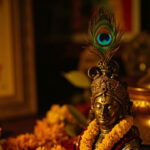
Temples and sacred spaces: Similar practice extended to deities’ statues, known as charan darshan. Devotees wash the deity’s feet with water or milk before offering prayers, extending the respect given to human elders to the divine.
Detailed Step-by-Step Guide
The traditional method involves several precise steps that ensure proper respect and spiritual benefit:
Preparation (Samanvay): Wash hands and feet clean, and approach with a clear, respectful mind. Some families perform a brief mental prayer or mantra before beginning. Dress appropriately—clean clothes show respect for the elder and the tradition.
Positioning (Sthiti): Stand to the elder’s side or slightly in front, never directly behind which would be considered disrespectful. If standing is difficult, kneel on one knee while keeping the spine straight and the heart open.
Gentle approach (Sparsh): Place both hands near the elder’s feet without causing discomfort. Some prefer to touch the edge of the foot or the floor near the feet if direct contact seems inappropriate. Always ask if the elder is comfortable with the gesture.
Bowing (Namaskar): Slightly bow forward as you touch, showing genuine respect. The bow should come from the heart, not just the body. Keep your back straight while bending forward from the waist.
Receiving blessings (Ashirwad): The elder places their hands on your head, shoulders, or forehead. This transfer of blessings (ashirwad) is considered essential—the energy flows from their experienced soul to your developing consciousness.
Following (Panchang): After receiving blessings, touch the elder’s feet to your eyes or forehead as a mark of reverence. This final step seals the exchange and acknowledges the elder’s grace.
Connection to Other Hindu Traditions
This practice relates to several interconnected Hindu traditions that form the fabric of cultural and spiritual life:
Temple worship involves charan darshan, where devotees touch the deity’s feet before leaving the sanctum. The principle is identical—seeking blessings and expressing reverence to the source of wisdom, whether human or divine.
The guru-shishya parampara (teacher-student tradition) central to Vedic education, where students served teachers with devotion for years. In ancient gurukulas, students would touch their guru’s feet daily, seeking knowledge and blessings for their spiritual development.
Tilak application on the forehead after receiving blessings, often with rice, sandalwood paste, or turmeric. The red kumkum tilak applied by the elder marks the recipient as blessed and protected.
Nature worship includes touching the feet of Tulsi plants during daily worship, showing respect for nature’s sanctity. The same principle of acknowledging wisdom and life force applies to plants, animals, and all living beings.
Modern Adaptations and Contemporary Practice
Contemporary Hindu families often adapt this tradition to modern contexts while preserving its essential meaning:
Urban adaptations: In cities, space constraints and lifestyle changes mean the practice may occur only during major festivals or special occasions. Many families observe it on weekends or during virtual video calls with distant elders.
Interfaith families: Some families combine charan sparsh with other cultural gestures, allowing children to participate in ways that feel natural. Non-Hindu family members may offer a respectful handshake or embrace instead.
Global Hindu communities: Young people living abroad may adopt modified versions that fit their cultural environment. Virtual charan sparsh (folding hands and bowing respectfully toward the camera) has become common during video calls with grandparents.
Professional contexts: Many Hindu professionals perform a mental charan sparsh before important meetings, asking elders for blessings even at a distance. Some keep a small photo of their parents or guru at their workplace for inspiration.
Environmental consciousness: Eco-friendly families use only water for washing hands before the practice, avoiding chemical soaps. Some elders prefer a cloth barrier for hygiene while still accepting the gesture.
Addressing Common Misconceptions and Criticisms
Some critics view this practice as outdated or promoting inequality. However, Hindu philosophy teaches that service to elders is one of the highest forms of worship (seva), not servility. The act recognizes that wisdom comes with experience and that learning is a lifelong journey.
Social scientists studying Hindu families have found that this practice actually promotes psychological well-being in both parties. Elders feel valued and needed, while younger family members develop humility and respect. The practice reinforces positive family dynamics regardless of socioeconomic status.
Modern Hindu thought leaders emphasize that the practice is about energy exchange and mutual benefit, not power dynamics. Both giver and receiver participate willingly, creating a moment of connection that transcends age and social roles.
Special Considerations and Exceptions
During antim sanskar (funeral rites) or special prayers for ancestors (shraddha), devotees may touch the earth or a sacred book instead, symbolizing connection to ancestral wisdom even in absence. This adaptation keeps the tradition alive when physical elders are no longer present.
If an elder is ill or physically unable, the gesture may be performed mentally or through touching their bedding or clothing. The intention matters more than the physical act. Some elders prefer a respectful namaste from a distance, which carries equal spiritual weight.
During menstruation, some traditional families modify practices, but modern understanding emphasizes that pure intention matters more than physical restrictions. Many families now perform charan sparsh year-round regardless of traditional limitations.
FAQ
Is it mandatory to touch elders’ feet in Hinduism?
No, it’s a cultural practice, not a religious obligation. Many families perform a respectful namaste instead, placing palms together at the heart. The essential element is genuine respect and reverence, which can be expressed in various ways.
What should I do if I’m not Hindu but attending a Hindu family gathering?
This practice transcends religion. Many non-Hindus participate respectfully in Hindu family gatherings, often following the lead of others present or simply offering a warm embrace. Most Hindu hosts are gracious about accommodating different comfort levels.
At what age do Hindus typically begin this practice?
Children typically begin observing this custom around age 5-7, learning by watching their parents and gradually participating as they understand its meaning. Some families encourage toddlers to mimic the gesture, teaching it as naturally as learning to say “please” and “thank you.”
Can women touch men’s feet in Hindu tradition?
Yes, the practice applies universally across genders in Hindu tradition. Both men and women touch the feet of elders regardless of gender. However, some conservative families may follow specific customs regarding this, and modern families often adapt to personal comfort levels.
What happens if someone refuses to touch feet?
Nothing—the intention matters more than the gesture. A heartfelt namaste, warm embrace, or genuine expression of gratitude is equally meaningful. The practice is about mutual respect, not rigid adherence to form.
Is it disrespectful to touch feet with shoes on?
Yes, feet should always be touched with clean hands and clean feet. Many traditional families keep separate indoor footwear or socks for this reason. However, modern families often accept the gesture regardless of footwear, focusing on the spirit of respect.
Do elders need to touch the feet of other elders?
Yes, age and wisdom are respected regardless of hierarchy. Even elderly parents touch their own parents’ feet or perform namaste to each other. This practice reinforces the principle that learning and reverence continue throughout life.
Does this practice have any scientific benefits?
Research suggests that genuine acts of reverence and gratitude reduce stress and promote well-being. The mindful pause and deep breathing involved create a meditative moment that benefits mental health. The social connection strengthens family bonds and emotional resilience.